


Big thank you to Needed for sponsoring today’s post! They make clinically proven supplements that I personally use on a daily basis, so it’s a genuine pleasure to get to work with them on this. They’re also offering 20% off for everyone with code KATIESTONE which rocks so much.


Speaking in gendered generalizations is, for the most part, lazy and tired, but when it comes to our health, it’s true that being a woman is, well, complicated. I find it evolutionarily confusing that one sex has a unique cycle of various hormones, while the other sort of just operates in a relative hormonal stasis for their entire lives. While being a man seems a lot easier, it’s also a lot less mysterious and beautiful, so even though I dislike the whole monthly bleeding thing, I wouldn’t trade it for the opposite. (Apologies for the binary framing—for this conversation, it’s scientifically relevant.)
One thing about the internet and this era of destigmatization is that I know more about the changes in female hormones that take place not only within a four week cycle, but in the course of a lifetime, than ever before. I’d be lying if I said I wasn’t terrified of giving birth or going through menopause still, but I’d like to imagine that fear will slowly dissipate as I read more erotic autofiction novels and see my friends and family members move through these stages of life with grace and compassion for themselves. It also helps knowing that women’s health, and our complicated hormones—as trendy as that topic may be—are finally getting some recognition by medical organizations and society at large.
The real innovation that excites me is in the women’s health field. BeSound is the first breast imaging technology that uses ultrasound instead of radiation to catch the 40% of cancers that mammograms miss. Dionysus Health came out with the first prenatal blood test to predict a woman’s risk of postpartum depression as early as 28 weeks into pregnancy. Supplement companies like Needed are focused on both clinically efficacious formulas for all life stages—from conception to postpartum to perimenopause—as well as reforming the prenatal nutrition standards in our country. In fact, their products are made to address specific nutrient gaps that many women experience by the very practitioners who diagnose them. It’s fun to feel hope, even temporarily.
When it comes to hormone health specifically, I will admit that I shut my brain off when the conversation began. I was uninterested in thin white women who are not shy about telling you that they refuse to do Barry’s Bootcamp because it’s ‘bad for their luteal phase.’ It’s not that I disagree or don’t respect that, it’s that I can’t stand preachiness. Obviously, I had it coming, because my years of rolling my eyes at this topic and effectively burning out my thyroid gland has me on a, ahem, hormonal healing journey.
For all of the times I rolled my eyes at someone telling me they’re trying to ‘lower their cortisol’ it’s come back to bite me in the ass. So if you, too, would like to understand what happens in women’s bodies across their life stages but would prefer not to have some girl in a matching athleisure set woman-splain it to you in a short-form video, I have come to the rescue. Today, I am bringing you all MY PA (yes, my personal physician), Jill Villa, who is going to answer all of our frequently asked questions on the topic of women’s health and hormones.

Jill Villa is a physician associate with over 15 years of clinical experience, founder of Goldhaus Wellness, and a graduate of Weill Cornell Medical College. She specializes in advanced longevity care, combining evidence-based therapies with a personalized, multidisciplinary approach to optimize healthspan, resilience, and vitality. Her background in surgical and inpatient medicine, along with her published research, informs a modern, precision-driven model of care. If I had to guess, I’d say I ask her no less than 20 questions each time I visit her office, so I figured, why not publish some of them on the internet?
Hormones 101
This is going to be painfully rudimentary, but can you please walk us through the essentials of women’s hormones?
At their core, women’s hormones are a dynamic, interconnected system—primarily estrogen, progesterone, and testosterone—working in constant dialogue with the brain, ovaries, thyroid, and adrenal system. These hormones don’t just regulate reproduction; they influence everything from mood and energy to metabolism, sleep, and cognition. The key is not just their levels, but how they fluctuate and communicate with one another over time, including the role of thyroid in metabolic pace and cortisol in stress and resilience.
Why have they been particularly buzzy lately?
Women are starting to realize that many symptoms they’ve been told are “normal” like fatigue, brain fog, weight changes, and mood shifts, are often hormonal. At the same time, there’s been a shift toward more proactive, personalized care. We’re no longer waiting for something to be wrong on paper; we’re paying attention to how we feel, and hormones are central to that conversation.

How can we ascertain what’s going on with our hormones at a given moment? Is there a test for it?
There are tests, but it’s rarely that simple. Hormones are constantly in motion, so one snapshot doesn’t always tell the full story. Bloodwork can be helpful, especially when timed correctly within the cycle, but it’s most powerful when paired with a detailed understanding of symptoms, patterns, and overall physiology.
How do we know if something is “off” with our hormones? What symptoms are most common?
Common signs include irregular cycles, worsening PMS, sleep disruption, low energy, brain fog, changes in libido, weight shifts, and mood instability. Rather than a sudden, diagnostic “cliff,” symptoms are often subtle at first, making them easy to overlook or normalize. Intervene during the drift, before it becomes a baseline.
Which tests do you recommend to solidify that information?
It depends on the individual, but typically we’ll look at estradiol, progesterone, testosterone (total and free), thyroid markers, cortisol, and metabolic markers like insulin and ferritin. Timing and context matter just as much as the numbers themselves.
Is there such a thing as “balancing our hormones”? Aren’t they always in flux?
They are absolutely meant to fluctuate—that’s a sign of a healthy system. “Balancing” isn’t about flattening those changes, it’s about supporting the body so those fluctuations feel aligned, rather than disruptive. When hormones are in sync with the body, you tend to feel more stable, energized, and resilient.

It’s All a Cycle
How do you recommend tailoring our nutrition / lifestyle / supplementation during each phase of our cycle, if at all?
There’s real value in working with your cycle, not against it.
In the first half, when estrogen is rising, energy, resilience, and insulin sensitivity are typically higher. This is your window for higher output, more intense workouts, slightly higher carbs around training, and strong protein intake. Supplement wise, you can keep it foundational: magnesium, Omega 3s, and B vitamins.
In the second half, as progesterone rises, the body becomes more sensitive to stress and blood sugar fluctuations. This is where most women feel the shift. Prioritize recovery: balanced meals, stable blood sugar, slightly higher healthy fats, and complex carbs to support mood and energy. Targeted support, such as magnesium (especially glycinate), vitamin B6, and electrolytes, can also make a difference here. Training should follow suit, less high-intensity, more strength, walking, and restorative movement.
It doesn’t have to be rigid, but when you align your nutrition and lifestyle with your physiology, everything tends to feel more stable, predictable, and sustainable.
What would be the benefits of “cycle-syncing” our workouts?
It allows you to work with your body rather than against it. Many women notice better performance, improved recovery, and fewer injuries when they stop pushing at the same intensity all month long. It’s a more intuitive and sustainable approach to fitness.
Are there any ways to reduce symptoms of PMS / PMDD naturally?
Foundational strategies include stabilizing blood sugar, optimizing sleep, and supporting stress regulation. Magnesium, Omega 3s, and targeted nutritional support can help. The most meaningful improvements come from addressing underlying hormone patterns rather than focusing solely on symptomatic relief.

Through Life’s Stages
How do our hormones naturally change as we move through our life stages?
Hormonal patterns tend to be more predictable in our 20s and early 30s. In our late 30s and 40s, ovulation becomes less consistent, progesterone declines, and estrogen can fluctuate more dramatically. Menopause represents a transition to lower, steadier levels of estrogen and progesterone, but the physiological experience of the shift varies widely from person to person.
What should be our hormonal goals as we approach pregnancy?
The emphasis is on consistency, regular ovulation, adequate progesterone, balanced thyroid function, and stable metabolic health. It’s less about perfection and more about creating a stable, supportive environment for conception.
What about postpartum? What is happening there?
Postpartum is a rapid hormonal shift. Estrogen and progesterone drop dramatically after delivery, while the body is also navigating recovery, sleep deprivation, and often breastfeeding. It’s one of the most physiologically demanding periods a woman goes through.
What sort of support do we need during this time?
Postpartum is a critical phase of recovery that often becomes overlooked once attention shifts away from pregnancy and delivery, despite being a time when women need more support, not less. The body experiences significant hormonal withdrawal, particularly a drop in progesterone, which can affect mood, sleep, support, and overall emotional stability. In some cases, thoughtfully supporting progesterone may be beneficial. At the same time, key health markers, such as iron levels, thyroid function, and overall recovery should be closely monitored.
Nutritional support, rest, and nervous system regulation are foundational elements of this transition. Prioritizing the mother’s recovery during postpartum is essential for both short- and long-term health.
Now peri- and menopause. How are our hormones changing?
Perimenopause is less about decline and more about variability. Estrogen doesn’t simply decrease; it becomes unpredictable, rising high at times and dropping quickly at others, while progesterone gradually declines due to less consistent ovulation. It’s imbalance, rather than absolute deficiency, that often drives symptoms like changes in sleep, mood, cycle irregularity, brain fog, and shifts in how the body responds to stress.
Because of these fluctuations, perimenopause can feel more disruptive than menopause itself. The body is struggling to find rhythm while the signals are no longer steady. Over time, as ovarian function winds down, hormone levels settle into a lower, more consistent baseline—this is menopause. While levels are lower, many women actually feel more stable once that volatility resolves.
Understanding the distinction matters—it directly affects the approach to care. In perimenopause, the focus is often on supporting stability and smoothing fluctuations, whereas in menopause, it becomes more about restoring and maintaining foundational hormone levels in a way that supports long-term health.

Are there any additional tests that can be done when you suspect you’re perimenopausal but no initial testing is conclusive?
Inconclusive testing is one of the most common hurdles in perimenopause. The phase is defined more by fluctuation than deficiency, and that doesn’t always show up clearly on a single lab draw. One set of labs can look completely “normal,” even when symptoms are very real.
In these scenarios, we must shift the focus from a single data point to trends observed over time. That might mean repeating labs at different points in the cycle, or over a few months, to more accurately capture how hormones are shifting. Just as importantly, we’re evaluating symptom patterns, changes in cycle length, sleep, mood, energy, and stress resilience. These patterns are often more diagnostic than any isolated number.
We also expand the lens to include systems beyond reproductive hormones. The thyroid and adrenal axis, particularly cortisol, play a significant role in how perimenopause feels; subtle shifts in these areas can amplify symptoms and contribute to that sense of instability, even when estrogen levels appear within range.
Ultimately, perimenopause is a clinical diagnosis as much as a laboratory one. The goal isn’t just to confirm it on paper, but to understand the body’s systemic function and to support it in a way that restores a sense of stability and resilience.

Treatment + Individualized Support
What is HRT and why is it impactful?
Hormone Replacement Therapy (HRT) is the use of bioidentical estrogen, progesterone, and, in some cases, testosterone to restore levels that have declined over time. However, the objective is more than “replacing” hormones; it’s about re-establishing a physiologic environment where the body can operate with more stability and support.
As hormone levels shift, particularly during perimenopause and menopause, many of the systems they influence begin to feel the effects. Estrogen plays a role in brain function, bone density, cardiovascular health, and even how we regulate temperature and sleep. Progesterone supports sleep quality, mood, and nervous system balance. Testosterone contributes to energy, muscle mass, and overall vitality. When these levels decline or become inconsistent, it’s not uncommon to see a cascade of symptoms that significantly compromise quality of life.
When used thoughtfully and appropriately, HRT can help restore that sense of stability, sharpening cognitive clarity and improving sleep, mood, and energy. Beyond immediate symptom relief, it serves as a protective measure, offering longer-term benefits such as the preservation of bone density and support of cardiovascular and neurological health. It’s a dual-action intervention: both restorative and preventative.
That said, HRT is not a one-size-fits-all solution. The right approach must be tailored to the individual, accounting for their symptoms, physiology, stage of life, and patient goals. Dosing, delivery method, and timing are all critical variables in the success of treatment. The goal isn’t to push levels beyond what’s natural, but to identify the precise window where the body feels aligned, resilient, and fully supported.
When using the estradiol patch, how do you know you’re getting the right dose? It seems like dosing is a bit of a guesswork? Is there a right methodology for finding the right dosage?
It’s a combination of symptom response and, in some cases, lab data. We’re looking for improvements in sleep, mood, energy, and overall stability, not just chasing a number. Dosing is often adjusted gradually to find that optimal range.
Can you talk a bit about hysterectomies and other procedures? Who might benefit most?
Surgical procedures such as hysterectomies are typically reserved for specific medical conditions—including fibroids, endometriosis, adenomyosis, or severe, persistent bleeding—when more conservative treatments haven’t been effective or are no longer appropriate. For women whose daily function and overall health are significantly compromised by these conditions, intervention can be life-changing.
That said, the decision is never solely about addressing the immediate; it requires careful consideration of the hormonal implications. The uterus, ovaries, and surrounding structures are part of a larger hormonal ecosystem. For example, removing the ovaries triggers an immediate and significant drop in estrogen and progesterone, which carries downstream implications on everything from bone density to cardiovascular and cognitive health. Even in cases where the ovaries are preserved, there can still be subtle shifts in hormonal signaling and blood flow that must be acknowledged.
Because of these complexities, the approach should always be individualized. It’s not enough to determine if a procedure is indicated; there must be a precise strategy for the timing, the surgical method, and, as importantly, the post-operative support plan. For women who undergo these procedures, a clear strategy for recovery that includes hormonal support when appropriate is essential for both short- and long-term well-being.
Ultimately, while these interventions can be incredibly helpful in the right context, they must be part of a thoughtful, comprehensive plan that considers not only symptom relief but also how the body will function moving forward.
Anything else you want to leave us with on the topic of hormone health?
Above all else is that how you feel matters. Hormones are not just about lab values; they’re about how your body is functioning day-to-day. Labs can offer insight, but they’re only one piece of the puzzle. Your energy, sleep quality, mood, and cycle are real-time physiological signals that deserve as much attention as a diagnostic report.
So much of modern healthcare has conditioned women to disconnect from those signals or to normalize feeling “off,” but the body is in constant communication. When you notice patterns—how you feel at different points in your cycle, how stress impacts you, and how your energy shifts—you start to understand your physiology in a much more intuitive and empowered way.
From there, the goal isn’t to control or override your hormones, but to support them. That might mean adjusting how you train, eat, rest, or respond to stress. When you start working with your body instead of pushing through it, energy becomes more stable, symptoms soften, and there’s a greater sense of resilience overall.
Real hormone health lives in the intersection of awareness, alignment, and personalized support.
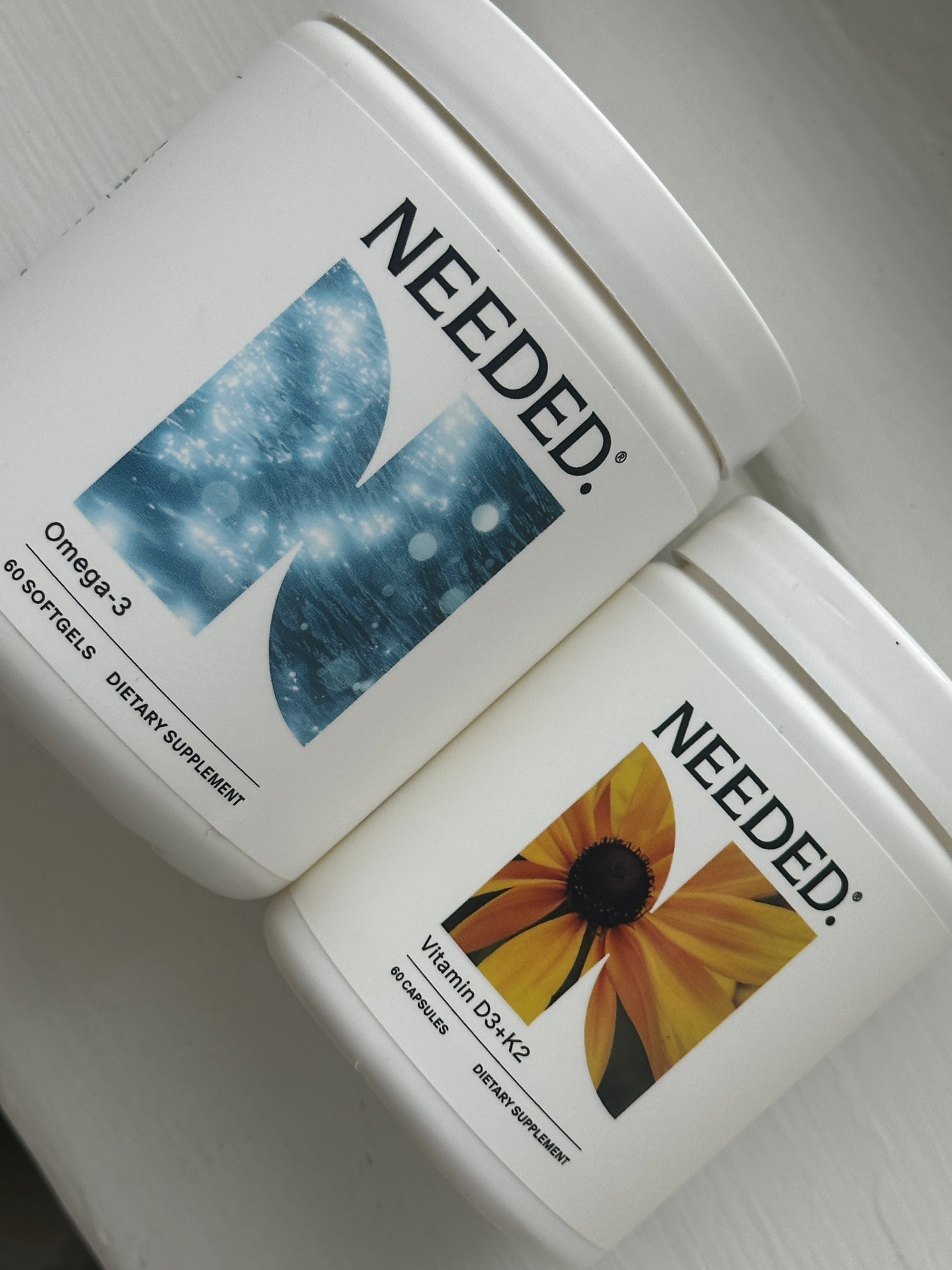
Big thank you again to Jill for answering so many questions, and for Needed for sponsoring today’s post. I am a big fan of their Vitamin D3+K2 and Omega 3, but you’re in good hands with them and their collective of over 15,000 practitioners who consult on all of their formulas. Reminder: KATIESTONE gets you 20% off!
If you have any follow-up Qs, feel free to drop them in the comments and we’ll see if we can get them answered. That’s all for now. Reply to this email or leave a comment if you want to reach me. :)


Love the take that being a man is probably less mysterious and beautiful.
this was really cool and interesting, I learned a lot. and yes we're all less mysterious and beautiful