


According to the lunar calendar, February 17 is the first day of the new year. Before we get into the cultural and historical significance, I want to address the…checks notes…fire horse in the room (sorry, too easy): the link between ancient Chinese tradition and modern wellness culture.
There’s some weird stuff happening on the internet in this department. TCM (Traditional Chinese Medicine) has been a rather popular topic of conversation in wellness/beauty circles, circles historically dominated by the voices of affluent white women. I’d like to believe a lot of the collective admiration for its teachings—acupuncture, herbal infusions, Qi—is just that—admiration. There are millennia of ancient practices to learn from, many of which have personally improved my life. For those of us who seek refuge from the onslaught of hi-tech innovation promising us optimal biometrics and longevity scores, it’s only natural to return to the historic wisdom of a simpler time. But a few weeks ago, it crossed a line.
It was a normal Wednesday, and I was having an extraordinarily average conversation with someone in my industry, when they referred to China as, and I’m sorry to be the one to relay this to you, “trendy.” I was beside myself. “Did you just refer to the second largest country in the world, accounting for 17% of the global population, as trendy?” They went on to explain that they merely meant that hot broths and ear seeding were “in,” but truthfully, I needed no explanation. I knew exactly what they meant.
We’ve seen it time and time again: appreciation crosses the normal threshold of culturally-sensitive exploration and adoption into something a little more… insidious. Whether it’s conscious or not, there’s undoubtedly some fetishization happening here. I won’t try to pathologize more than I already have, especially when other, far more qualified people have articulated it better themselves: Arabelle Sicardi explored these blurry borders for The Cut and Faith Xue offered a personal perspective in Coveteur’s “Who Gets to Be Chinese?.” Like most things in life, I find myself asking if a middle ground is actually achievable. Surely there’s a way to look to other cultures and incorporate their centuries-old wisdom into our daily lives without co-opting their culture for status or financial gain.
So here’s where I tell you that the “trendy” Chinese wellness traditions—the ones that go TikTok viral with the hashtag (BRACE YOURSELVES) “chinamaxxing”—are not what Rebecca and I will be discussing today. Instead, we’ll be speaking about the lunar calendar, the traditions that accompany the biggest holiday in China, and what the fire horse means for the year ahead. Most importantly, we’re talking about the annual tradition of coming back to ourselves, auditing our habits, resetting our goals, and attuning to our inner wisdom as we enter a brand new year. Now how’s that for wellness.
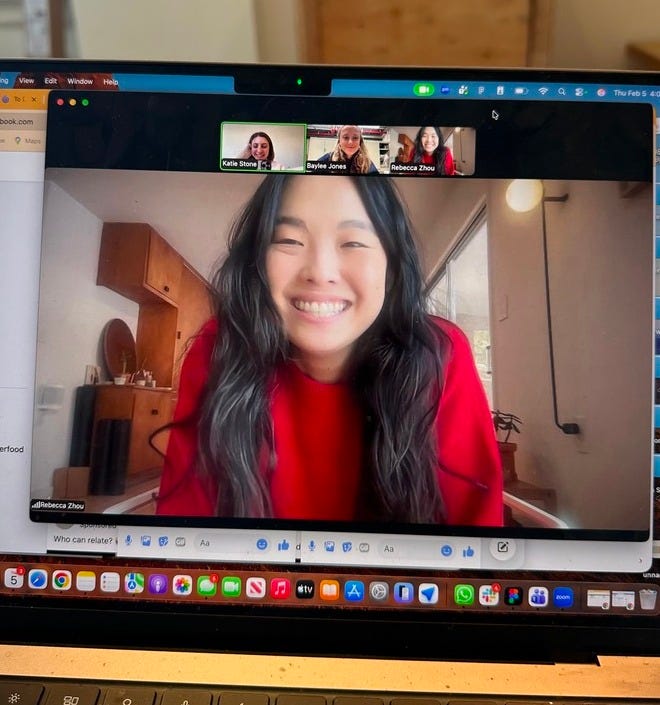
Don’t worry, we’re not staying so serious the whole time. Think of this as just a casual conversation between friends, a conversation in which one horse-loving girl forecasts her horse-neutral friend’s year to come… you’ll see who’s who.
Rebecca Zhou, who you may remember from her legendary Into the Fridge feature, is the CEO and founder of Soft Services, the body care brand I’m highly loyal to, as well as the co-founder of OFFHOURS with her husband David McGillivray. Outside of work, she’s an avid dancer, horseback rider, and home chef, based in Upstate NY. I deeply admire Rebecca’s creative perspective, so when she suggested we chat about the Lunar New Year here on Plant Based, it was an instant yes. Now, for our conversation…

KS: It’s the year of the horse and I am lucky to be in the presence of a certified horse girl. Before we get into what that specifically means, do you mind just touching on the Lunar New Year as a general concept?
RZ: The Chinese New Year is when the lunar calendar’s new year begins, which is different from the January 1st new year that the West predominantly celebrates.
The lunar calendar is not only based on the moon—obviously—it’s actually a lunisolar calendar, meaning it also tracks the solar year. That’s why the date of Chinese New Year shifts each year on the Western calendar but always falls between late January and mid-February. The Chinese have used this system for thousands of years and it’s deeply embedded in the culture.
For instance, people will choose to get married based on auspicious days in the lunar calendar, or time having babies during certain zodiac years. There are accounts of emperors using the wisdom of the lunar calendar and the almanac that accompanies it to guide their decision-making—from conquering lands to building centuries-long dynasties.
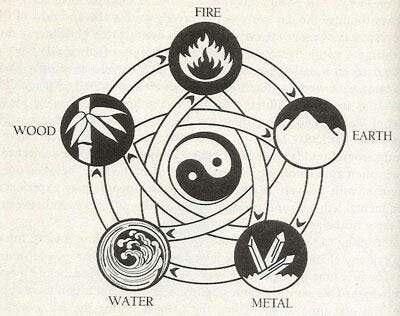
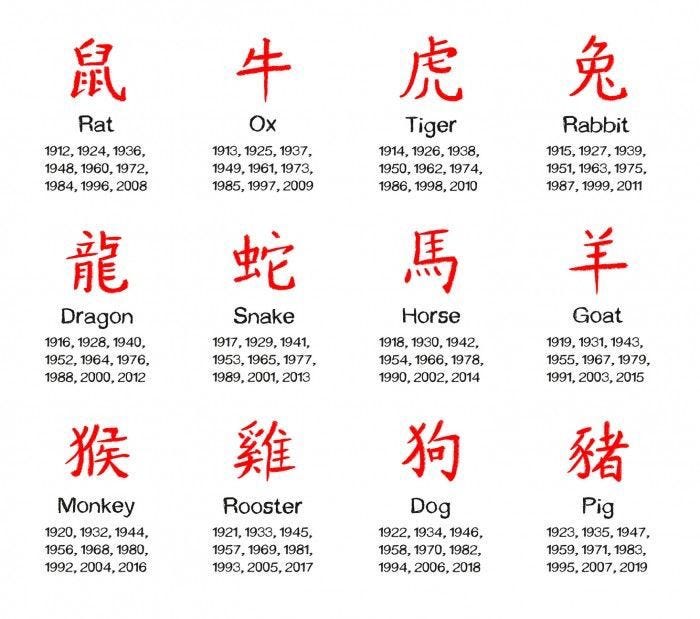
Tied to the Chinese New Year are also the 12 animal zodiacs and the five elements—wood, fire, earth, metal, and water. The elements rotate through the 12 animal signs, creating a 60-year cycle. So it’s not just the year of the Horse, it’s the year of the Fire Horse, which hasn’t happened since 1966.
KS: Let’s dig into the elements and animals thing.
RZ: Yes, so there are five elements: wood, fire, earth, metal, and water. When you cross the 12 animal signs with the five elements, you get a 60-year cycle. Katie, you’re an Earth Rabbit, and I’m a Metal Horse.
The animal’s personality and the element’s characteristics work together to shape both your individual identity — based on your birth year — and the energy of any given year on a macro level.
A few notes on the elements that I think are interesting:
Wood is about growth and flexibility. Last year was the year of the Wood Snake, so there was a lot of slow, methodical, behind-the-scenes growth happening. Think of it like roots spreading underground.
Fire is about passion and transformation. That’s this year. The year of the Fire Horse is said to be filled with very dynamic, fast-paced change.
Earth is about stability and nourishment—think of it like soil.
Metal is about strength, resolve, and clarity. It’s precise and disciplined—a blade that cuts through noise.
Water is about adaptability and wisdom. It finds its way around obstacles rather than pushing through them.
KS: Do you feel more seen by this, or by Western astrology?
RZ: I mean, I love all of it. I’m an Aquarius sun, Virgo rising, Gemini moon. Side note, I recently got into astrocartography, which is so cool, but a conversation for another day. Anyway, for me, it’s less about a day-to-day horoscope and more of a framework for understanding myself and the people around me. I love learning people’s signs—I find it helps me understand them more deeply.
There’s this guy on YouTube named Joey Yap whose Chinese zodiac videos I like and I love this thing he said: “Astrology doesn’t make things happen to you—it reveals the map. Success is inevitable, but sabotage is optional.” And that’s how I feel about both Chinese and Western astrology. Neither one is deterministic—they just give you a language for understanding the energies at play, within you and around you.
KS: How does the Chinese Zodiac help you think about your year to come? Does it affect your decisions professionally and personally?
RZ: To me, I really like to think about this as a yearly practice. When the January 1st new year comes around, I always feel unprepared — the holidays just happened, I don’t have my resolutions yet. But the Chinese New Year falls about a month to six weeks later, so you get more distance from the year that’s passed. It’s a better time to set an intention, and the animal and elemental nature of the Chinese zodiac is more intuitive, accessible and visual for me. Even if nobody explained what an Earth Rabbit or Fire Horse was, they instantly conjures an image, a feeling, a personality.
What’s fun for me is that I’ve started pulling together individual forecasts as a printout for friends. Last year I organized a big dinner (all you can eat hot pot!) with friends to celebrate CNY, and I made everyone a Year of the Wood Snake zodiac forecast, with these notes the energies at play on a world level and on a personal level.
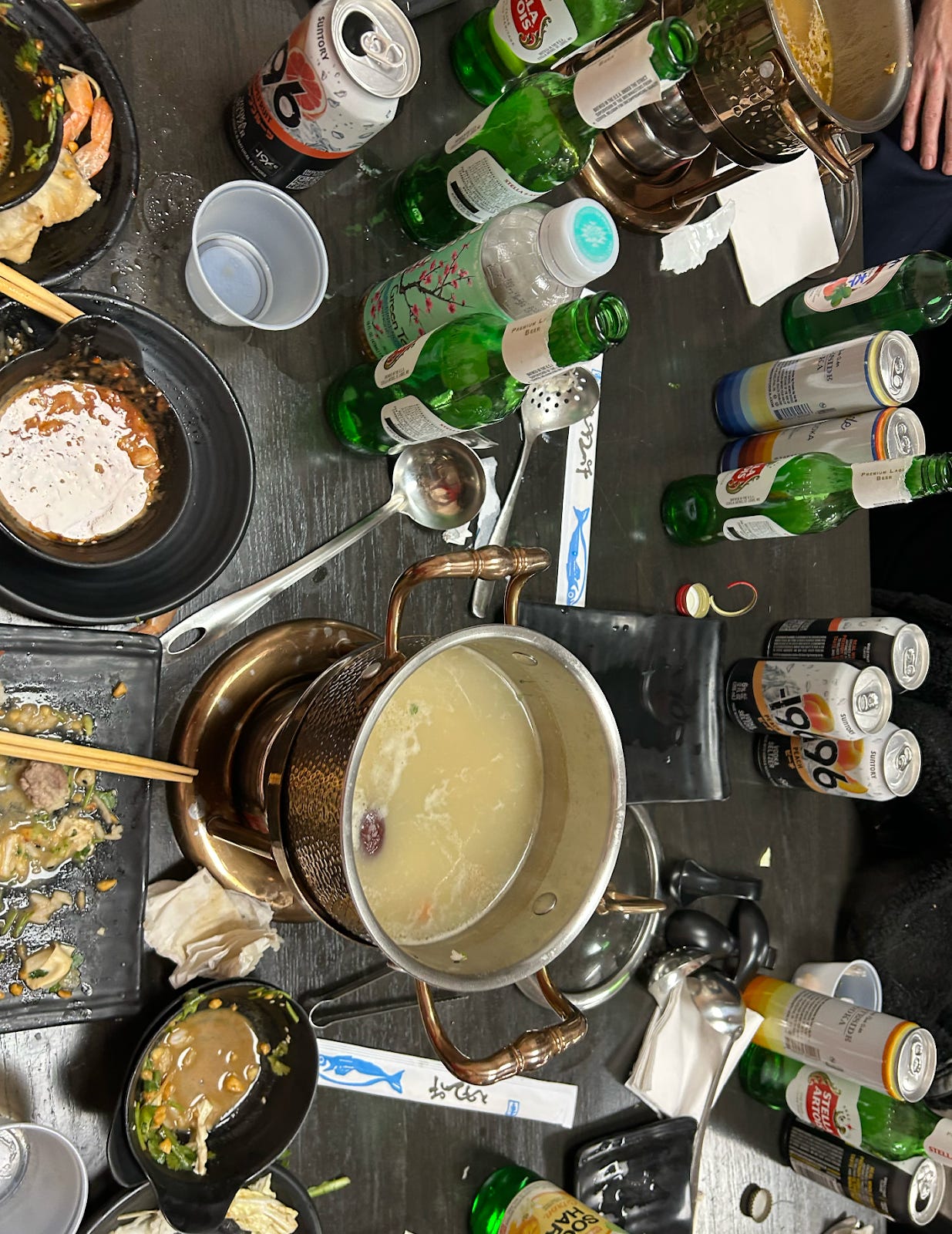
I’m doing it again this year, and what I love is seeing how different the recommendations are across the signs. The health and wellness section is actually the most interesting to me — each sign has really specific tailored guidance.
KS: Have you done yours yet?
RZ: Yes, I’ve done mine and it’s wild how specific it gets. My wellness considerations are to prioritize respiratory and heart health, slow down to prevent accidents. I should avoid rushing, obey traffic laws, don’t push through fatigue. I’m recommended activities like qigong, swimming, walking in nature, gentle steady cardio, and breathwork, and I should be eating cooling foods like cucumbers.
Katie, yours says to prioritize gut health and stress management. You’re recommended yoga, gentle cardio, dance, stretching, warm baths, and to eat warm cooked foods over raw and cold. There’s even a specific callout to eat millet to support your spleen and stomach.
And then a friend of mine who’s a Water Rooster, birth year 1993, her forecast says to focus on respiratory health and hydration… which is really spot on because she keeps telling me she needs to quit cigarettes.
Katie, by the way, I have your full forecast. Want to go through it?
KS: Yes! I’m so excited.
*Rebecca pulls up image*
KS: Wow, it looks so good.
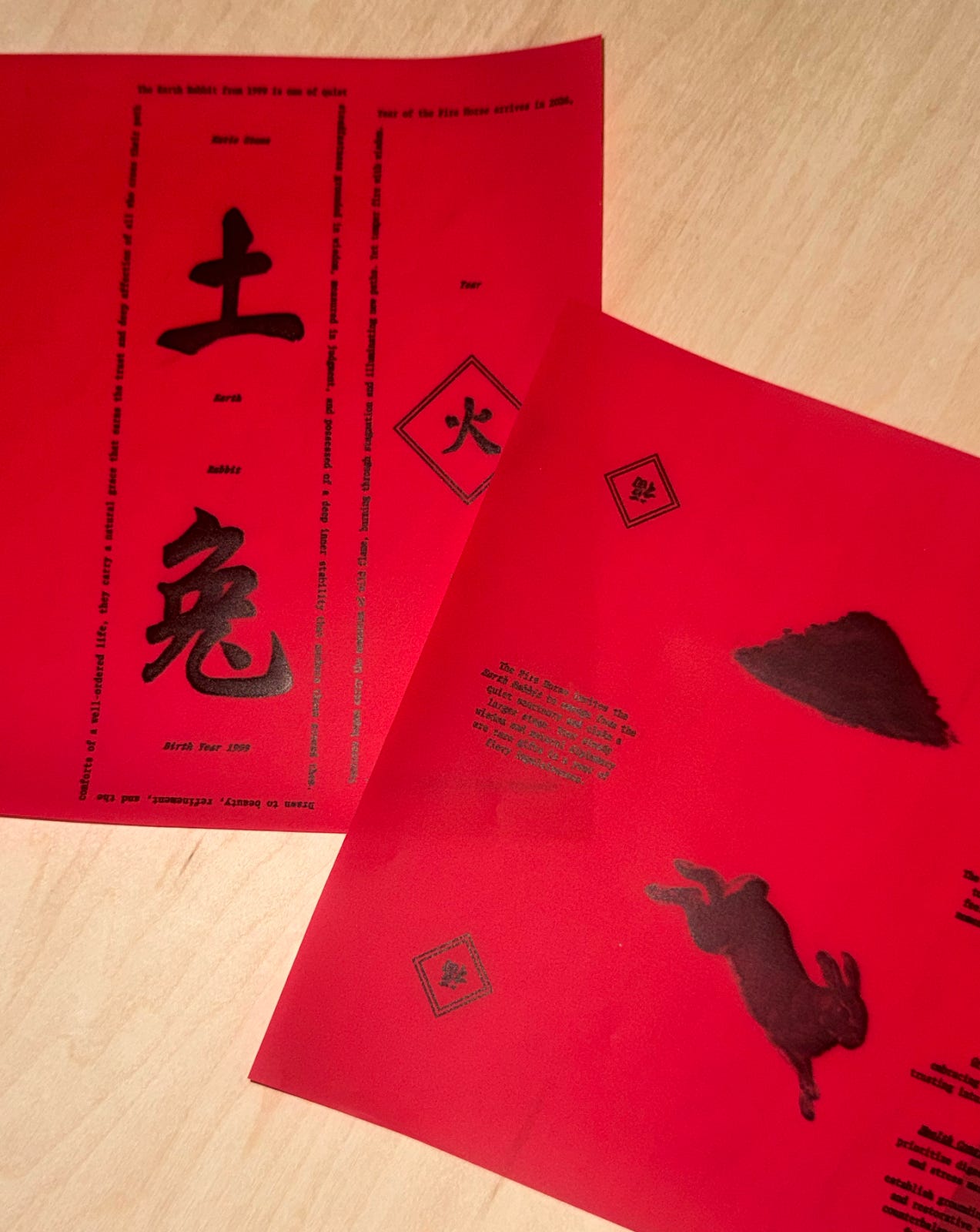
RZ: Oh thank you! I spotted last year's zodiac forecasts on a few friends' fridges, so I wanted to make the print ephemera even more special this year.
I asked my friend and artist Lauren Daccache to collab with me on it. She is a Lebanese-American artist. I love how her work provides an intimate window into who and where she comes from. I thought I’d be really cool to work together on this. She lives upstate near me, we’re dear friends and she was actually at the hot pot dinner last year! The design features calligraphy my uncle wrote! He started doing in retirement and is incredible.


Okay, here we go. This is about your personality:
‘The Earth Rabbit is one of quiet, steadfastness, grounded in wisdom, measured in judgment, and possessed of a deep inner stability that anchors those around them.’ When I was reading this, I was like, wow this is very Katie.
‘Drawn to beauty, refinement, and the comforts of a well-rounded life.’ A freakishly accurate description of Plant Based…
‘They carry a natural grace that earns the trust and deep affection of all who cross their paths.’
It moves on to talk about the year of the fire horse in general, and then to a more in-depth forecast about you. Your lucky colors are moss green and cream. Literally the colors of Plant Based… weird.
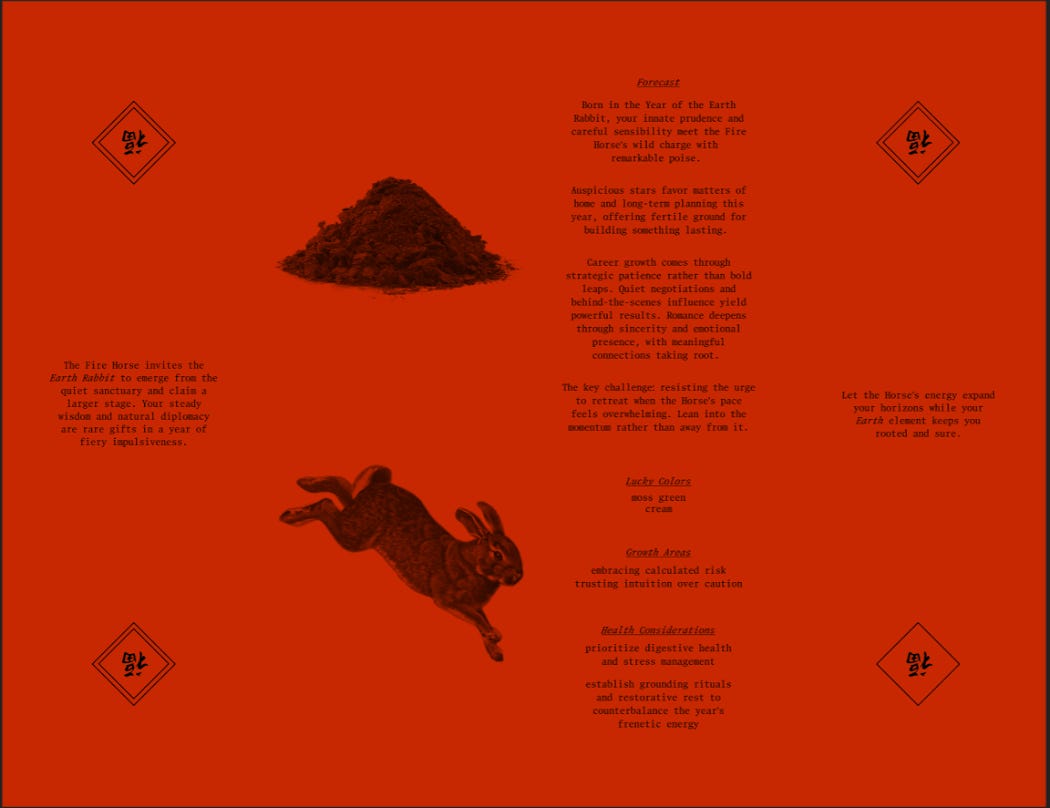
Then the summary: ‘The Fire Horse invites the Earth Rabbit to emerge from the quiet sanctuary and claim a larger stage. Your steady wisdom and natural diplomacy are rare gifts in a year of fiery impulsiveness. Let the Horse’s energy expand your horizons while your Earth element keeps you rooted and sure.’
KS: The color thing is actually crazy.
RZ: So crazy. My lucky colors are charcoal and burnished copper.
KS: Your uncle’s calligraphy is amazing. Actually, I wanted to ask you, what is the Chinese New Year like in your family? What are your memories of it from growing up?
RZ: Chinese New Years is the biggest holiday in China. It’s the equivalent of Christmas, Thanksgiving, and New Year’s rolled into one. In China, there’s this concept called 996, working from 9 to 9, 6 days a week, which is totally unhealthy, but that’s the reality of the work culture there. So the fact that everyone gets two to three weeks off for Chinese New Year tells you how significant it is.
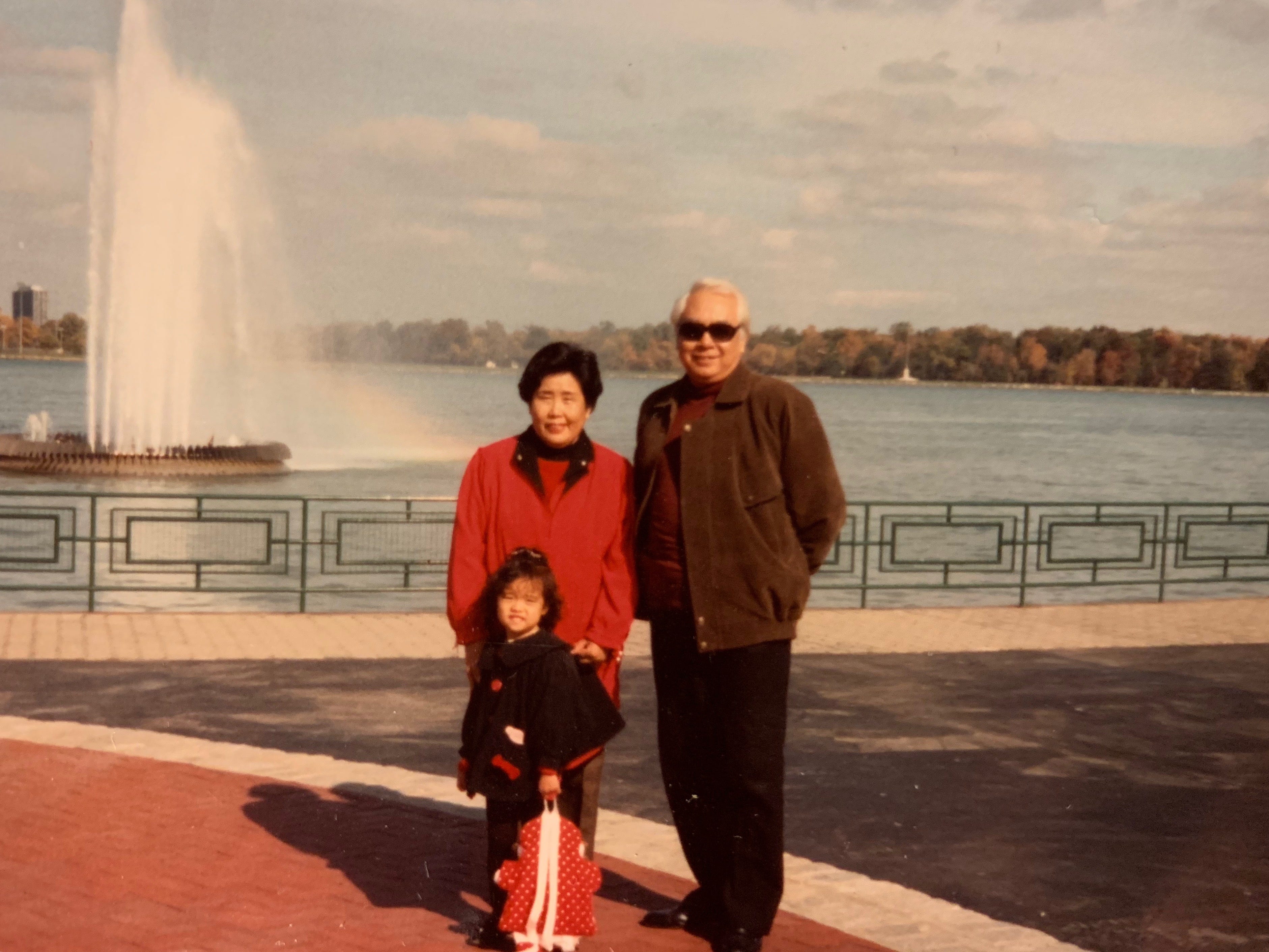
I grew up in Canada and the U.S., so we celebrated holidays like Halloween and Thanksgiving and Christmas, but for our celebrations were very surface level, almost like cosplay. For example, under our Christmas tree, my mom would wrap empty boxes for “presents.”
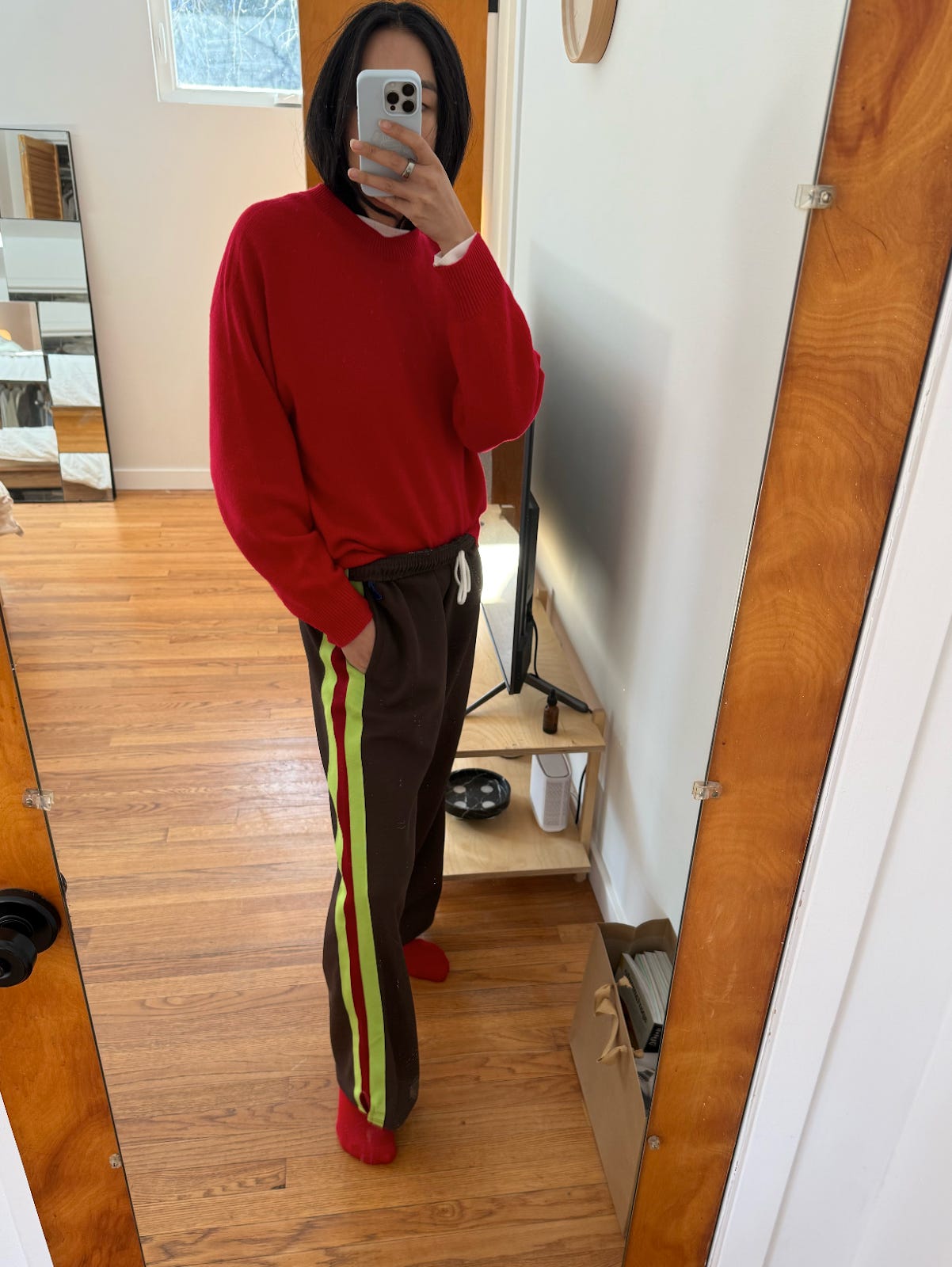
Chinese New Year was the real holiday for us, both for my family in the States and in China. Chinese New Years is not tied to a religion. It’s a cultural event. It’s a family affair. You gather with family, you honor your ancestors, eat, drink, exchange red envelopes. Everyone is wearing red for good luck.


The food eaten during Chinese New Year is highly symbolism. Chinese people love wordplay, we love a visual metaphor. We eat dumplings because they look like gold ingots (ancient Chinese currency). symbolizing wealth and good fortune. We eat fish because the word for fish sounds like the word for abundance in Chinese. So they’ll say ‘nián nián yǒu yú,’ which means ‘every year there will be abundance,’ but it’s also like, ‘every year there will be fish.’ My friend Casey Zhang, who I worked with at Glossier, did this beautiful photo series a few years ago documenting the Chinese dishes her mom cooked for Chinese New Year.
In prep for the new year, you clean your home. The idea is to get all the dirt out because you don’t want to carry any debris, junk, baggage from years past into the new year. You decorate your front door to welcome in good fortune. There’s a Chinese character called fú, and people hang it upside down because the word for upside down in Chinese is the same word as arrival.
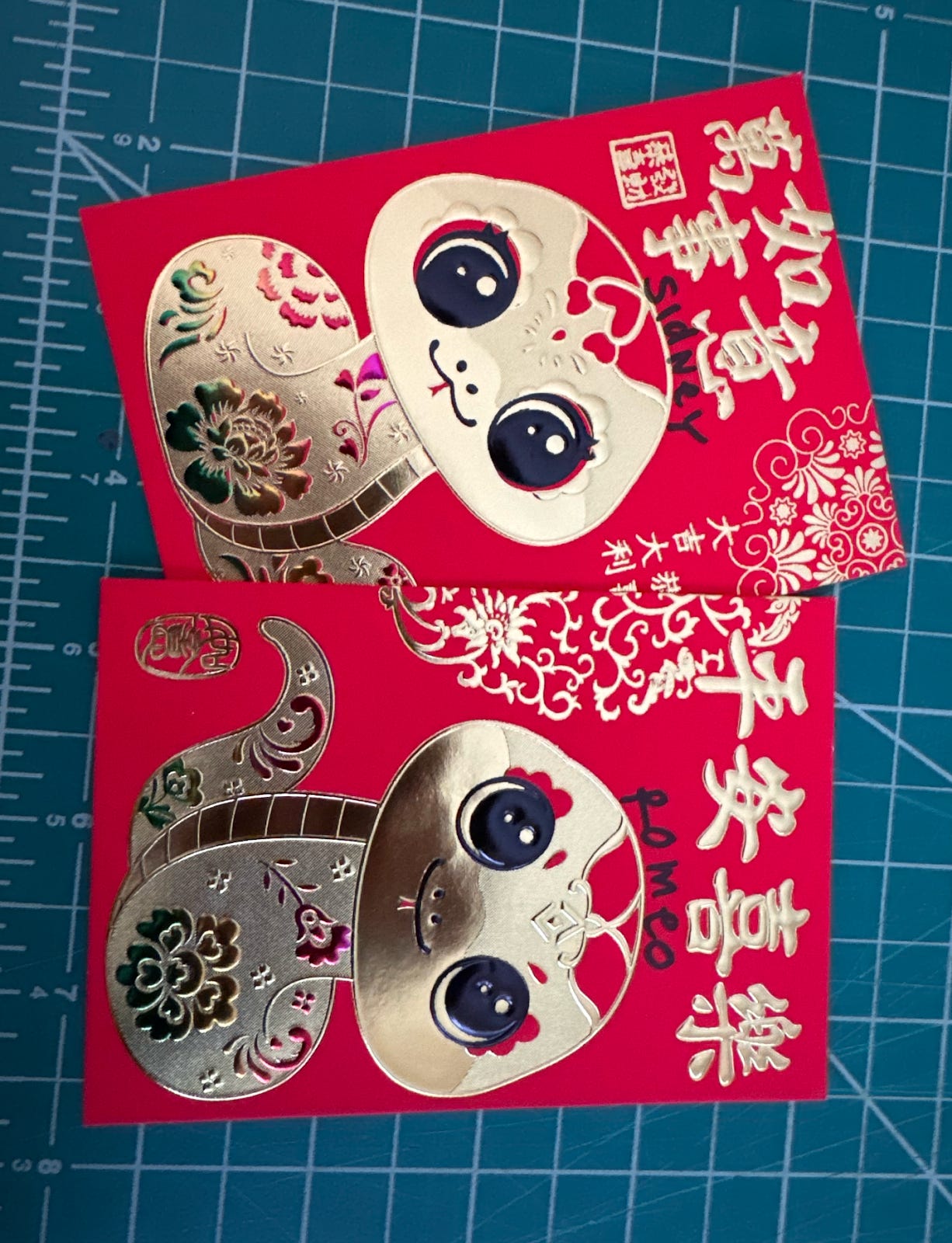
And red envelopes! Traditionally, married people give cash to unmarried people in red envelopes, and you have to do it. Even in a corporate setting — my mom gives red envelopes to her coworkers. It’s also funny because China is basically a cashless society now with Alipay, so this is the one time cash is ever really used.
Wait, one thing you had asked about was what I’m doing specifically for this year of the fire horse. Can we go back to that?
KS: Please.
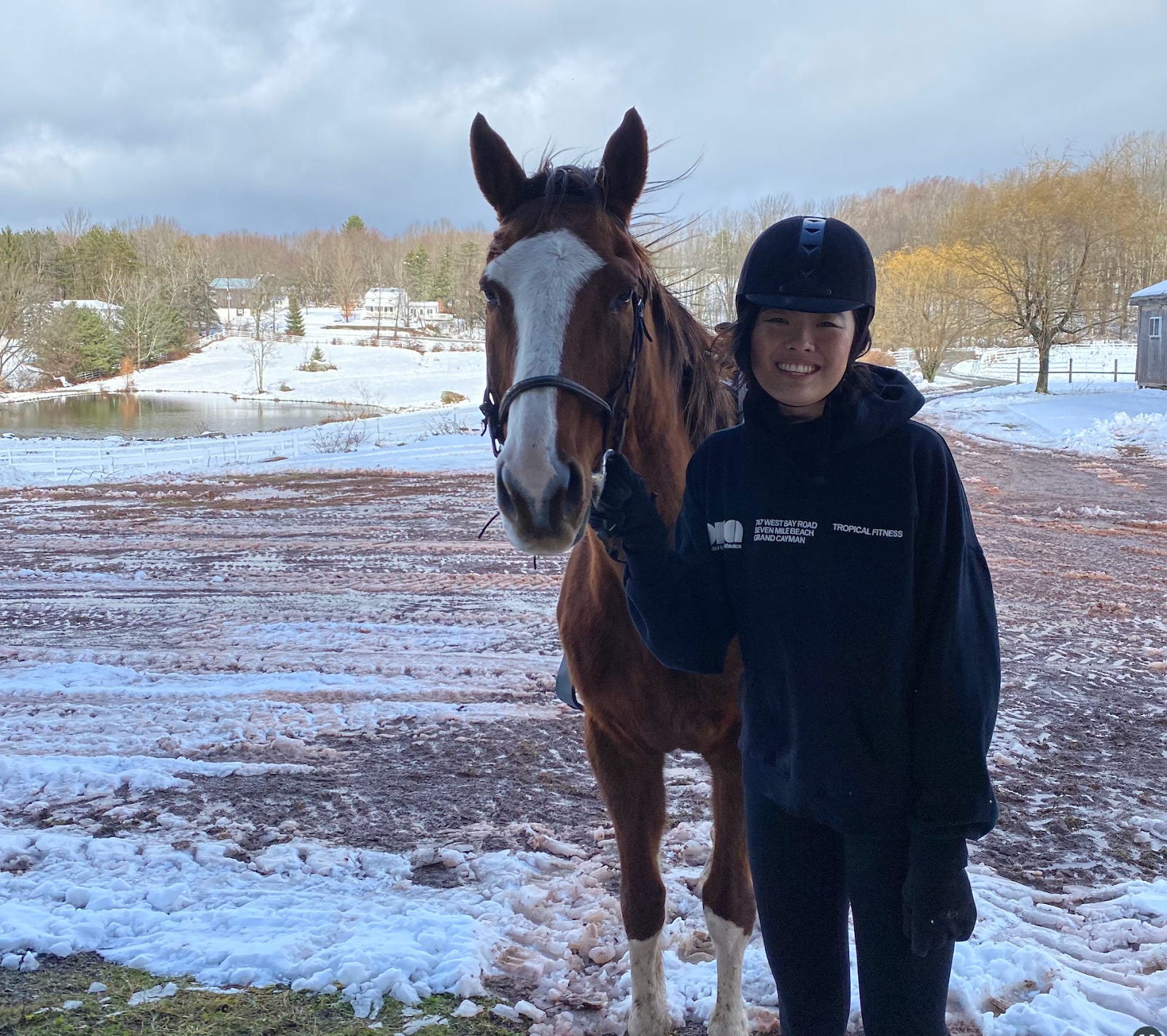
RZ: I've always loved horses and been drawn to them. If I’m driving by a farm and they have horses, I have to pull my car over. I actually rode horses as a kid. Infant, really. I was born in Calgary, Alberta, and we lived in western Canada until I was about two. While we were there, my parents would take me horseback riding, but after we moved away, I stopped.
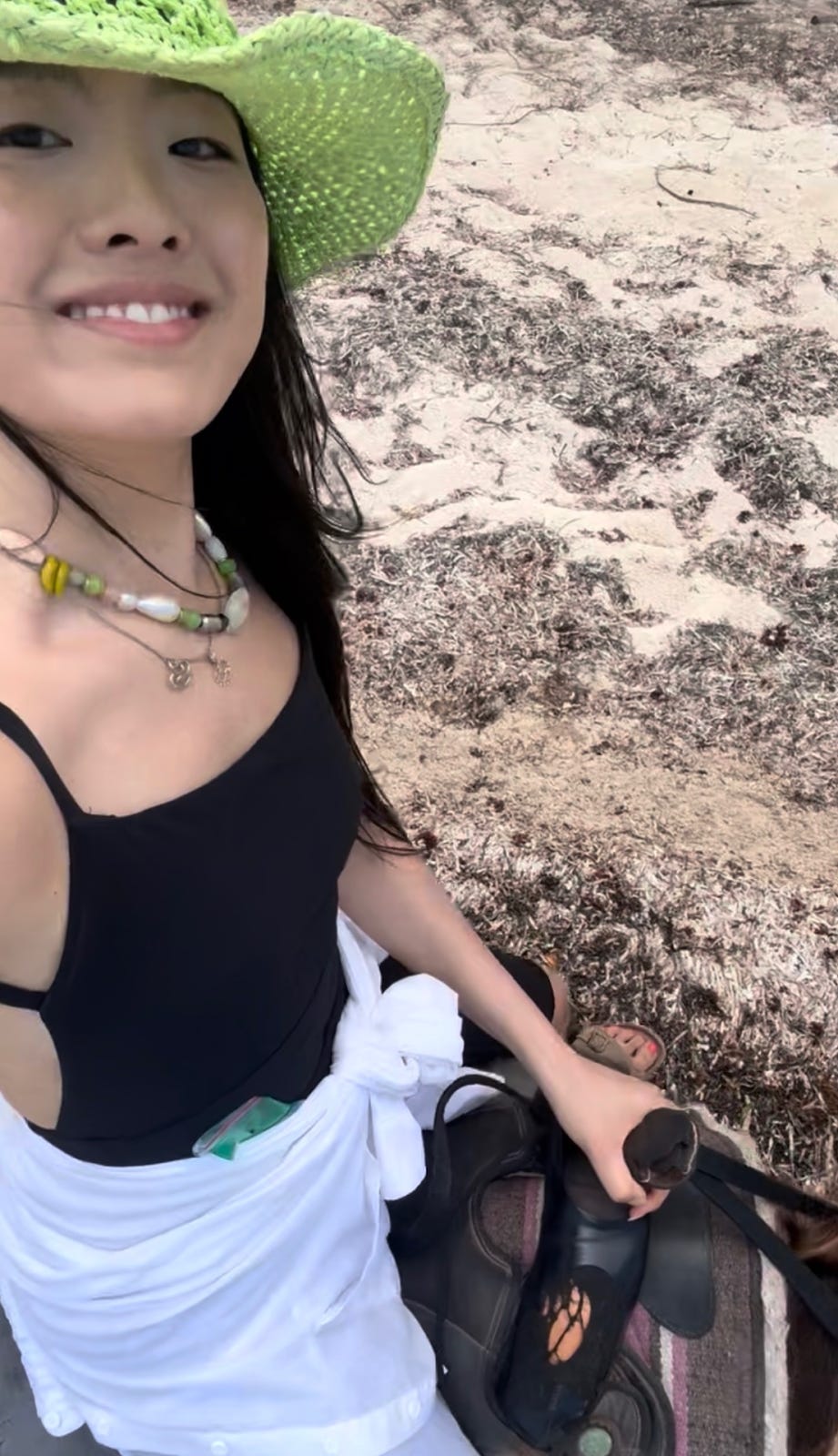
Cut to 30-something years later, I’m in Grand Cayman launching Green Banana Buffing Bar at Palm Heights, and we decided do a horseback riding excursion on the beach. Afterwards, the rest of the crew tells me, 'I was terrified the whole time.' Meanwhile, I'm thinking, this is the best thing I've ever done in my life and how sick it would be if I lived during a time where riding horses was the main mode of transportation. After I came back, I started taking regular riding lessons—luckily there is a great place just 15 minutes away from where I live upstate.
On that trip, actually Melanie Masarin was telling me about how she’d been horseback riding because she’s practicing to get comfortable enough on a horse to do a destination riding retreat—like a yoga retreat, but instead with five to seven days of horseback riding in a remote location like Umbria, Patagonia, etc. I started looking into them and set my heart on doing a week long trek in Mongolia.
So that’s been on my vision board for a few years, and I did a riding trip in Tuscon, Arizona last year which gave me a lot of confidence. And with this being the year of the Fire Horse, it feels like the universe is telling me now is the time.
The trip I’m doing is technically in Inner Mongolia, which is a part of China, a good excuse to practice my Chinese, which I don’t use enough. The first four days are an equestrian training camp, and you get one instructor who films you and plays back the recording on a TV and points out what you could be doing better. I’m excited about how intense the training is. And then the last three days are riding in the open—you go out with the group to ride and trek all day.
KS: Wait, are you training for this now? Are there certain exercises they recommend you do to get in shape for this (aside from horseback riding)?
RZ: I am trying! I communicate with the place I’m going over WeChat, and they send me messages in Chinese that are like, ‘Great, now that you decide you are coming, you have many months to work on your physical fitness. Everyday counts.’ Again, loving the intensity.
I’ve been doing a lot of Pilates, focusing on inner thigh and core strength. In riding, your lower body is what keeps you stable and connected to the horse — if your inner thighs and core aren’t strong enough, you compensate by gripping with your arms and tensing your upper body. But ideally, your upper body should be completely relaxed. You only should use it when you need to communicate with the horse.
One of my favorite things my instructor Ellinor says is that ‘the horse can feel a fly on its back, so to them, you are like a skyscraper on their back and they can feel everything in your body.’ If you’re nervous, tight, breathing heavy, they know. It’s such a cool relationship because it’s so utterly honest. You can try and hide your emotions all you want in the rest your life, but you can’t fool a horse even for a second.
KS: This is going to be so awesome, on so many different levels.
RZ: Yes, and this ties into something you’ve talked about before on Plant Based. For the last couple of years, the Mongolia trip was more of a bucket list thing for me. An epic adventure to see a beautiful place. But then I did a breathwork session with Alden, which unlocked a much deeper connection to this trip.

KS: Oh my god.
RZ: The session with Alden was amazing—she was so good. People say breathwork can be psychedelic, and I’m very open-minded, but going in I was like, ‘yeah, sure.’ But once I was in it, I started experiencing these really vivid visions that led to some profound personal insights.
I saw a landscape that looked exactly like every picture I’ve ever seen of Mongolia—vast grasslands, blue sky as far as the eye can see. I was on horseback, moving through it, and instinctually it felt like I was seeing what my ancestors saw—like I was looking through their eyes. My grandfather is from northern China, and from my 23andMe I know we have Manchurian lineage. The Manchu are a historically horse-riding, nomadic culture from northeastern China, which borders Inner Mongolia. So I’m in this vision and I feel so clearly that my ancestors rode horseback across this land.
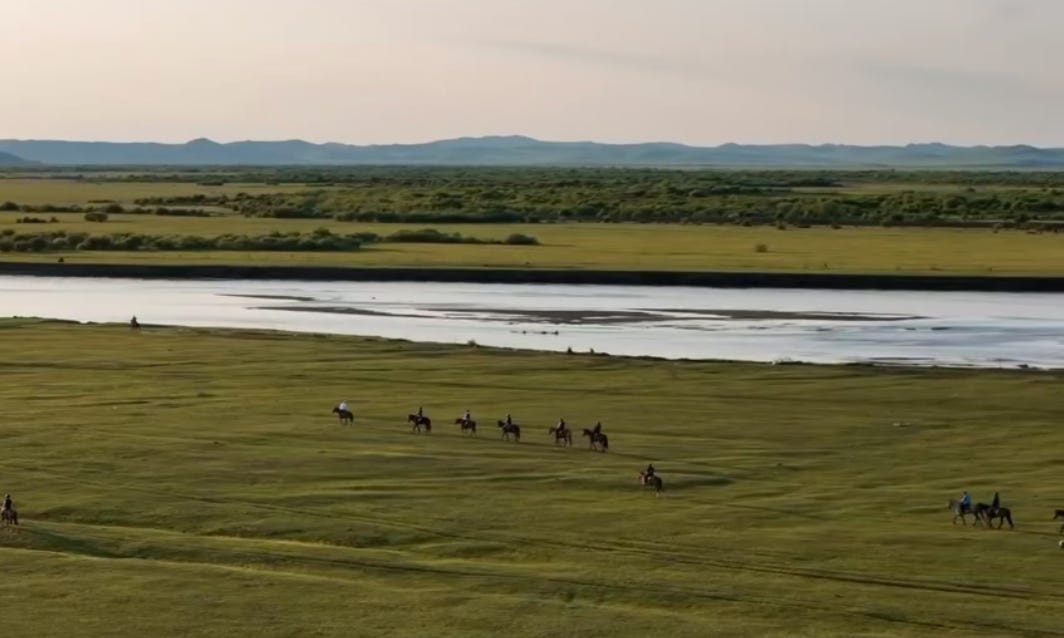
And then the vision keeps going. We’re riding, and we find this beautiful spot, and this message comes to me as an inner dialogue: ‘This land is so beautiful. This is where we are going to settle. This is where our family will prosper.’
And then I feel this deep pull that I need to go on this trip—and also visit the cities where my grandparents were born. I’ve missed them so deeply since they passed, and in the breathwork I understood that going there is how I reconnect with them. Btw, throughout all of this, water is just streaming down the sides of my face. So yeah, breathwork works. *Chuckles*
KS: This is so cool—and of course I’m going to bring it back to wellness here—but there are so many different levels here. Like ancestral wellness. I mean, wellness isn’t even anything to me, it’s just how we live our lives, in my opinion, so reconnecting to your ancestors but also listening to your intuition in this way, which is so loud, but then also the physicality of riding the horse as exercise, it’s all incorporated.
RZ: Oh totally. You know, it’s funny you say ancestral, because part of me feels like this is preparation for having a kid. I live in upstate New York, I’m away from a lot of my family, I’m married to a Brit. When I was growing up in Canada, someone from my extended family — my grandparents, my great aunt — was always around. I also lived in China for a few years, so I feel really lucky that I absorbed a lot of Chinese culture through osmosis.
But I’ve been stressed about how my future children will be exposed to Chinese culture and my ancestry! I want to be able to give them more than what I know now. This journey feels almost prenatal.
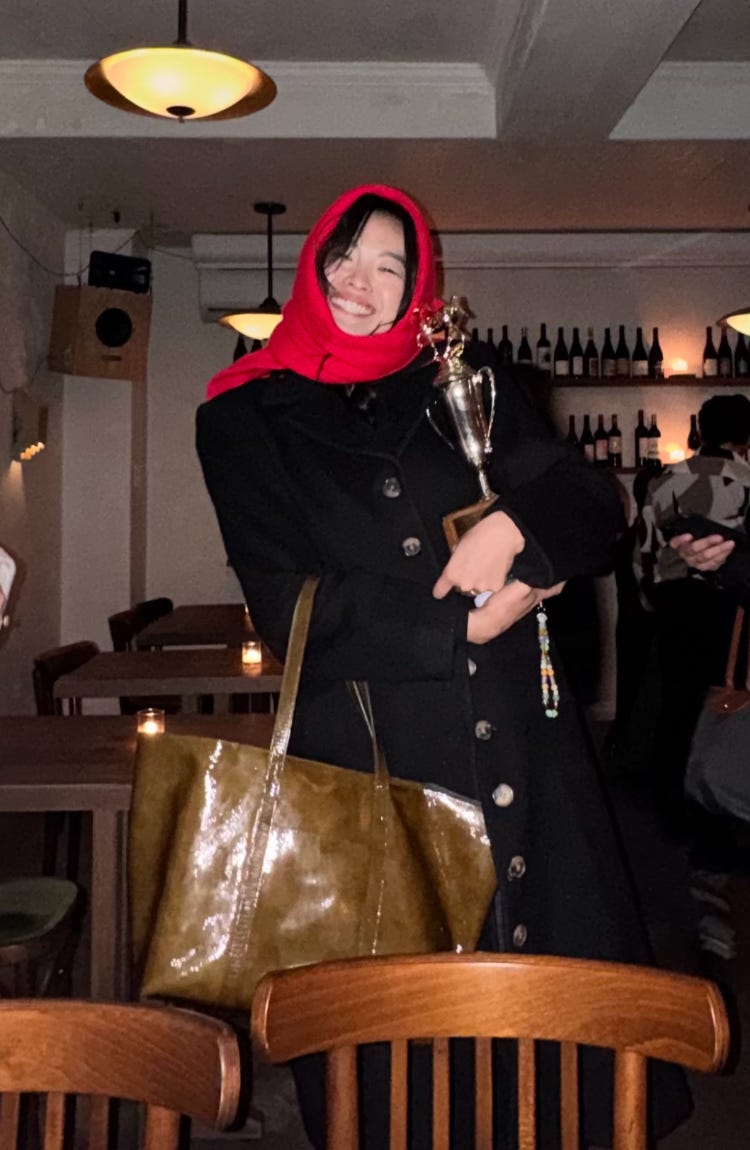
KS: That kid angle is so interesting, because, I don’t know if you’ve been seeing all of this stuff about how women are preparing their bodies for pregnancy, and how prenatal is a bigger focus than ever, but that’s all so physical. It’s like, how can I get my hormones in balance? How can I prepare my womb? But I love this idea of understanding my culture and my family history better, and then feeling ready to have a kid.
Ok, one last question before we go. What are some things that people often get wrong or misunderstand about the Lunar New Year? Or things that you think that more people should know and they don’t?
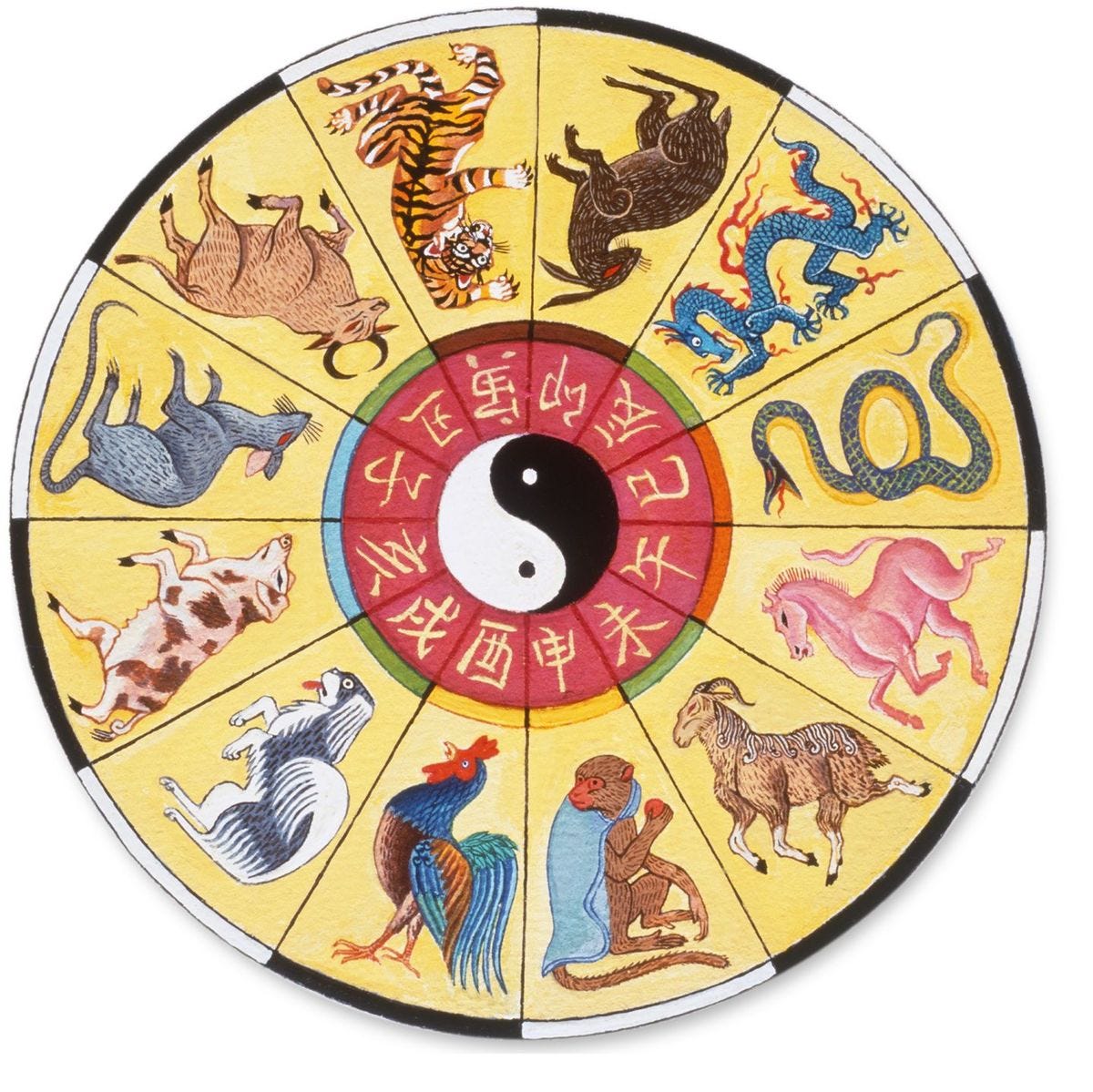
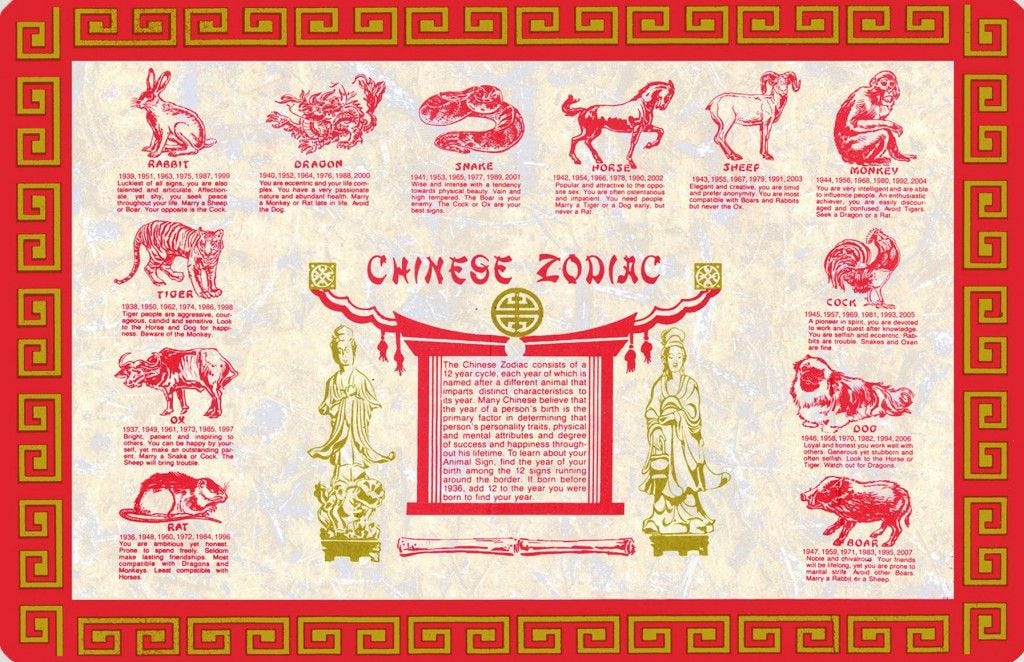
RZ: Honestly, I think most people’s exposure to the Chinese zodiac is the placemat at a Chinese restaurant—you know, the one with the 12 animals in a circle. And that’s actually a great entry point. But what people might not realize is how much depth is behind it.
This is a system that has been followed for thousands of years. The elements, the animal signs—there are so many layers. I’m constantly learning more and digging deeper myself.
My favorite part of exploring well-being is to see universal concepts and holistic practices take shape through rich, culturally specific lenses. Thank you times a million to Rebecca for sharing her perspective with us all. That’s all for now. Reply to this email or leave a comment if you want to reach me. :)
I loved every bit of this!!! Any recs for where to go for a good forecast? Fire rat here 💝🧧🔮🫧
Really loved reading all of this. First of all, I adore Soft Services. Their products have really beautified my body complexion, which is no small task for my 60-year-old body.
On that note, I’m a 1966 Fire Horse. In 1966 in Japan, the possibility of giving birth to an “unmarriageable” Fire Horse daughter sank the national birth rate for the year. Ain’t that something!
🔥🐴