

The Ultimate Laser Glossary
A helpful resource for the esthetically curious: laser edition


You thought you had a handle on facial treatments. You understood the basics of micro-needling, you watched a few buccal massage Reels. Maybe you even tried an exosome facial (under the care of a trusted esthetician) for yourself. Well, it’s my duty to tell you that there’s whole other subcategory of minor cosmetic procedures out there waiting for you. A subcategory that involves frequencies, broadband lights, and destroying full layers of skin. You see, dear reader, today we are talking about lasers.
In our first iteration of the Facial Treatment Glossary, I defined and categorized all of the freaky-sounding names you’d come across on an estheticians’ menu. We distinguished between microdermabrasion and dermaplaning, we broke down the varieties of chemical peels, we even got into the notorious salmon sperm facial. I say we because I of course had to run my hours of Internet research by a trusted professional source: the writer of
, esthetician at Practise in NYC, and Plant Based’s resident esthetic expert, Ms. .
Today, I present to you the second installment in this facial glossary series. Behold, the Ultimate Laser Glossary. This is for all of the people who’ve heard someone say the word “Fraxel” but never actually took the time to understand what that meant. It’s for the people who think ‘clear’ and ‘brilliant’ are merely two adjectives, my friends who are looking for substantial acne scar relief, and those of us who are trying to prevent the big Ws without getting into the big B.*
Like its older sibling, my goal is for this to be a living, breathing resource to return to. As you’ll recall:
My vision: a document that offered clear, comprehensible definitions for all of these curious facial
experimentstreatments to be used as reference material in the future. An esthetic encyclopedia, you could say. I see it as less of a ‘newsletter’ and more of a webpage ripe for bookmarking. This, my friends, is what I present to you today.
So with that, please enjoy this Ultimate Laser Glossary, courtesy of myself and our favorite newsletter-writing-esthetician,
. Before we get to the meat of it, Jolie is starting us off with some very helpful esthetic insights.*wrinkles and botox, respectively.
Jolie’s Words of Wisdom:
Many lasers are able to treat a multitude of concerns; there is not one “best” laser for everyone or everything. Much more important than knowing the exact laser you want is going to a provider that really knows what they are doing and is able to make a recommendation based on your specific skin. There are a ton of things that go into account when deciding the best laser for someone, including skin tone, skin presentation, history of scarring, history of melasma, medications, skin quality, etc. Two people might want to treat the same concerns and have completely different recommendations based on their skin history and presentation.
On that note, individual lasers have sooo many different settings and adjustments so results and downtime can really vary person to person. It is far more important to go to someone who knows how to use their laser(s) very well than to seek someone out specifically because they have a laser you are interested in.
Ask questions! You can just do a consult! You don’t have to agree to their recommendation! If something seems off, get a second opinion.
If you have melanated skin, it’s so so so important to go to someone who is familiar with working on skin of color. This is always important for any treatment, but especially for lasers. There are some lasers that only work on fair skin, but there are lasers that work on all skin.
Related to that, for any skin tone, if you have melasma or have ever had melasma or have a family history of melasma, make sure that the provider knows (especially if it’s not visible) and ask if the laser they recommend has any contraindications for melasma.
Many lasers require a series for best results and that’s not just a way to make more money. If they recommend a series, do it. And don’t be discouraged if you don’t see a huge difference after the first one.
our girl
Lasers 101: The 4 Main Types to Know
Before we get into the specific names, let’s break down the four main laser categories you’ll come across.
Ablative:
Works by removing the top layer of skin to heat the underlying layers to resurface. These are powerful, dramatic, and require more downtime.
Non-Ablative:
Works below the surface, keeping the outer layers of skin in tact and using targeted light beams to reach the dermis. These lasers have less downtime, but requires multiple sessions in order to see significant results.
Fractional:
Treats a small area (fraction) of the skin at a time by creating microscopic columns and leaving surrounding areas intact. This can speed up healing and minimize potential side effects. Fractional lasers can be ablative or non-ablative.
Vascular / Pulsed Dye Lasers:
Target hemoglobin (the red pigment in blood) to collapse visible vessels and reduce redness or rosacea. Pulsed-dye lasers are a type of vascular laser which emit yellow light in short bursts that safely heat and close surface-level blood vessels.
The Guide
Quick note (last one!): Not every device that gets called a “laser” is technically a laser. True lasers use a single wavelength of focused light, while treatments like BBL or IPL use broad-spectrum light. They’re often included in the same conversation because they target similar concerns — you’ll see clarifications below where that’s the case.
Ablative Lasers
The highest intensity options.
CO2 (fractional):
One of the strongest resurfacing options, CO₂ vaporizes tiny columns of skin to force deep collagen remodeling. It’s usually performed with anesthesia or heavy numbing, takes ~45–60 minutes, and comes with 1–2 weeks of redness, peeling, and crusting before months of improvement.
Good for: deep wrinkles, advanced aging, rough skin texture.
Not for: darker skin tones (pigment risks), those unwilling to commit to long downtime.
Erbium:
Similar to CO₂ but with less heat damage, Erbium ablates the skin for significant resurfacing with slightly less recovery. Often chosen for delicate areas like eyes and mouth. Feels stingy and hot during treatment, takes 30–60 minutes, with 5–7 days of downtime.
Good for: moderate-to-severe wrinkles, etched lines, precision resurfacing.
Not for: people needing very quick recovery, darker skin tones.
Non-Ablative Lasers
These are less intense and often require multiple sessions.
Clear + Brilliant (fractional):
A lighter “baby Fraxel” laser that creates controlled micro-injuries in the skin to trigger collagen production. The treatment feels like warm prickles but is very tolerable, especially with numbing cream. It’ll take ~20–30 minutes with only a day of mild redness and a sandpapery feel before you get glowing skin.
Good for: first time laser-ers, younger patients preventing dullness, wrinkles, and early fine lines
Not for: deeper wrinkles, severe sun damage, anyone expecting dramatic results.
Clear + Brilliant Permea (fractional):
A gentler pigment-focused variation of Clear + Brilliant, designed to enhance product penetration while brightening tone. Feels like prickly warmth, takes 20–30 minutes, with about 1 day of redness and mild flaking.
Good for: mild pigment, dullness, prevention
Not for: significant sun damage or deeper pigmentation concerns
Fraxel (fractional):
Deeper setting: Stimulates collagen and smooths fine lines by penetrating into the dermis. Feels hot and prickly even with numbing, and a session lasts 30–45 minutes. Expect 3–5 days of redness and peeling before a smoother texture shows through.
Good for: moderate fine lines, early etched wrinkles, overall resurfacing.
Not for: very dark skin tones (higher risk of pigment issues), people avoiding visible downtime.
Lighter setting: Specifically targets pigmentation and sunspots. Feels prickly and hot with numbing, takes 30–45 minutes, and comes with 3–5 days of redness, swelling, and peeling before brown spots fade.
Good for: sun damage, freckles, uneven tone on fair-to-medium skin.
Not for: melasma (can worsen), darker skin tones.
Nd:YAG (also known as Laser Genesis):
Deeper setting: Penetrates deeper into the skin than a PDL to reduce inflammation and redness, so it’s great for thicker vessels or leg veins. Feels hot but tolerable; treatment takes 15–30 minutes with minimal downtime (1–2 days of redness or swelling).
Good for: deeper blood vessels, leg veins, resistant rosacea, mild collagen tightening.
Not for: very fine, surface-level redness.
Lighter setting: It can heat the deeper dermis without harming the surface, stimulating fibroblasts to produce collagen, leading to gradual firming over time. Feels like deep warmth, takes 20–30 minutes, and requires virtually no downtime.
Good for: subtle tightening, preventative collagen boost.
Not for: people expecting dramatic, instant results.
Vascular / Pulsed-Dye Lasers
These target hemoglobin to reduce redness and collapse visible blood vessels.
Vbeam
Blood vessels are heated and collapsed while the surrounding skin is protected. In practice, it feels like a hot rubber-band snaps on the skin. Treatments take 15–20 minutes, with downtime ranging from a few days of redness/swelling to purplish bruising that can last up to a week. *The “pulsed” part refers to how the light energy is delivered in quick bursts.
Good for: rosacea, flushing, broken capillaries, red acne marks, port-wine stains, some melanin pigmented areas.
Not for: people who can’t tolerate even short downtime.
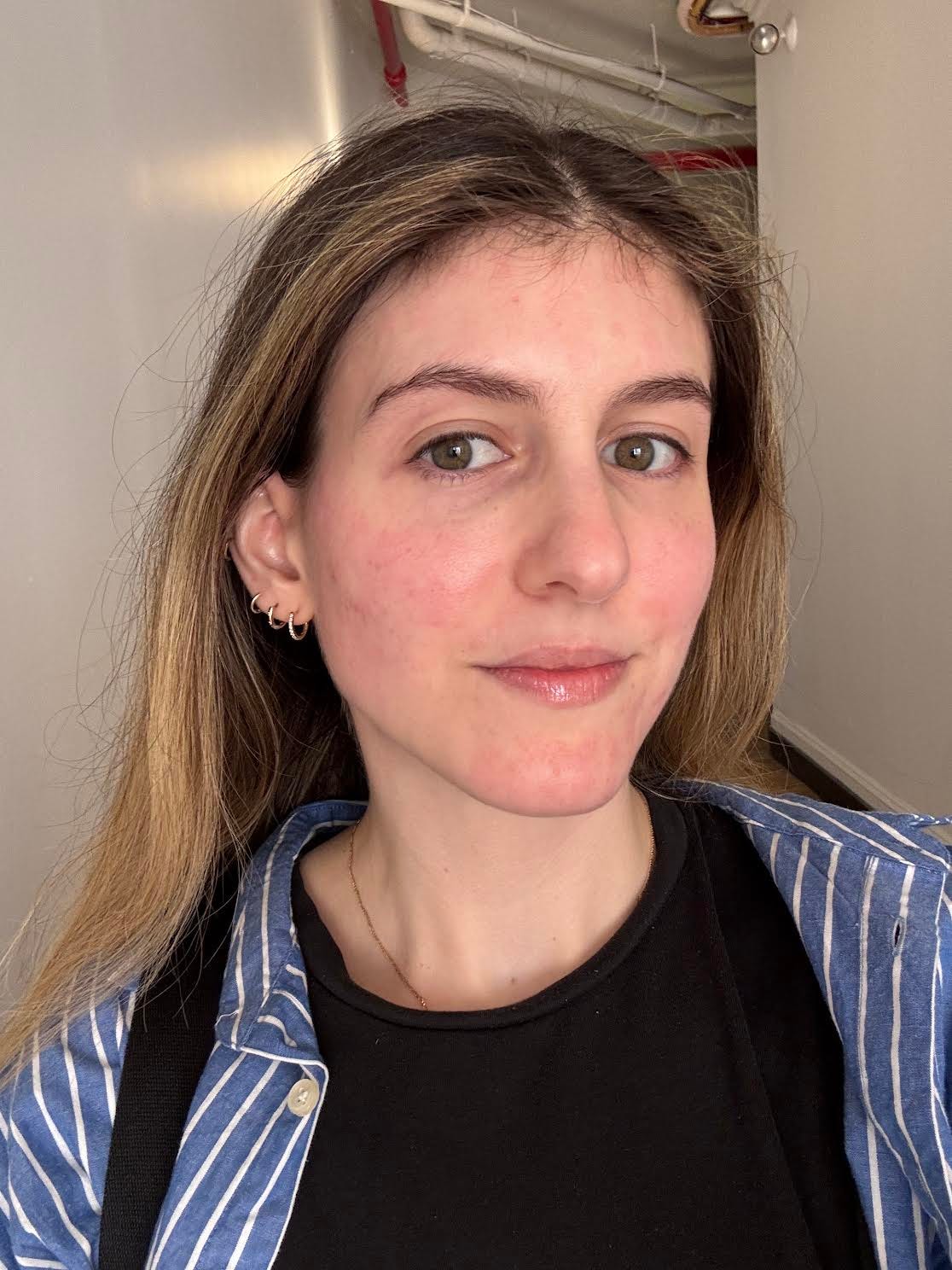
KTP Laser
The KTP laser is sometimes called the “green laser” because it gives off a bright green light. That light is strongly absorbed by hemoglobin, which makes it great for treating very small, superficial vessels and redness right at the skin’s surface. It feels like quick, hot pinches and takes about 15 minutes. Recovery is minimal—just 1–2 days of mild redness.
Good for: tiny facial capillaries, superficial redness.
Not for: deeper veins, medium-to-dark skin tones.
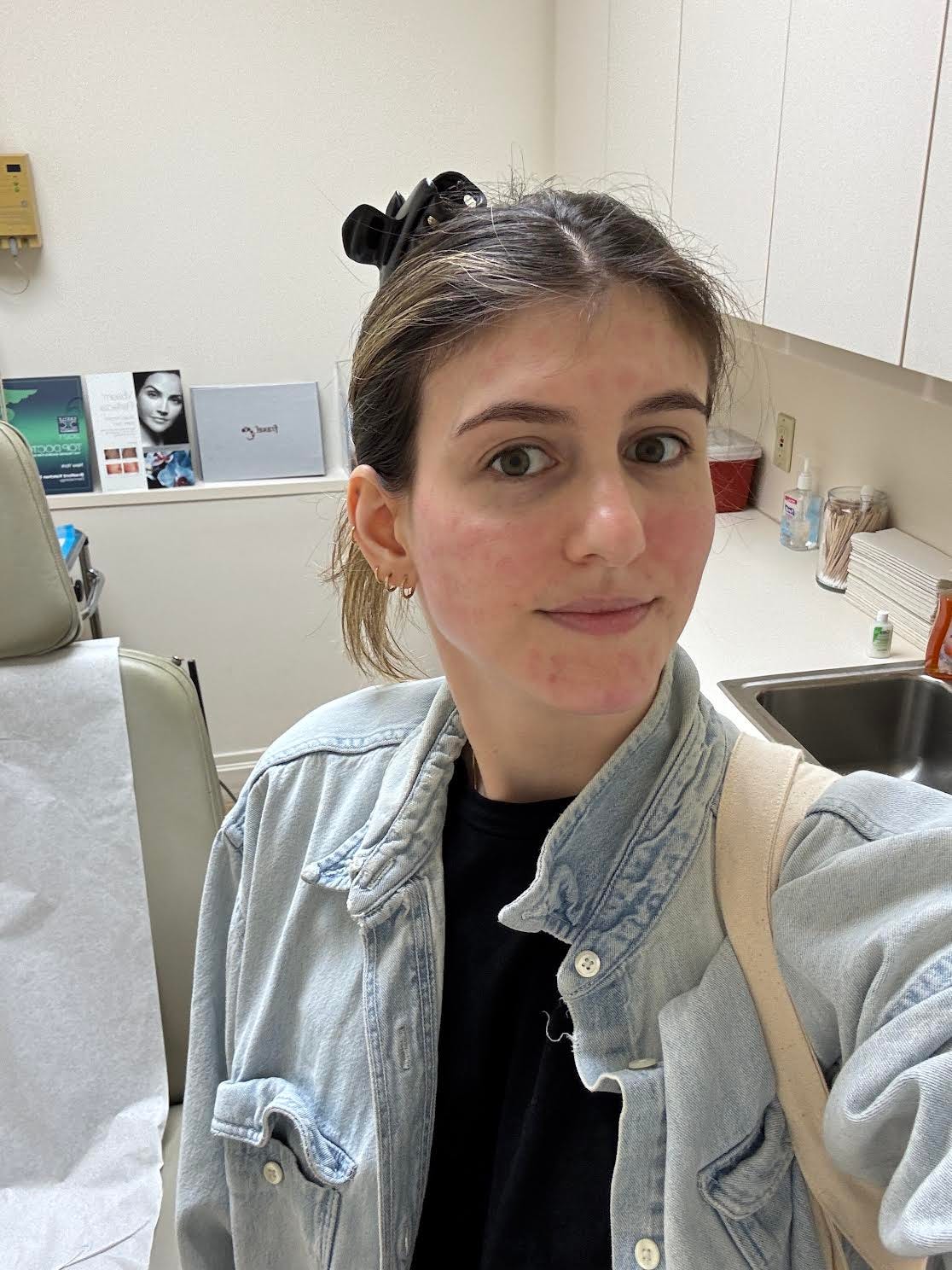
Laser-Adjacent
Broadband Light / Intense Pulsed Light (BBL / IPL)
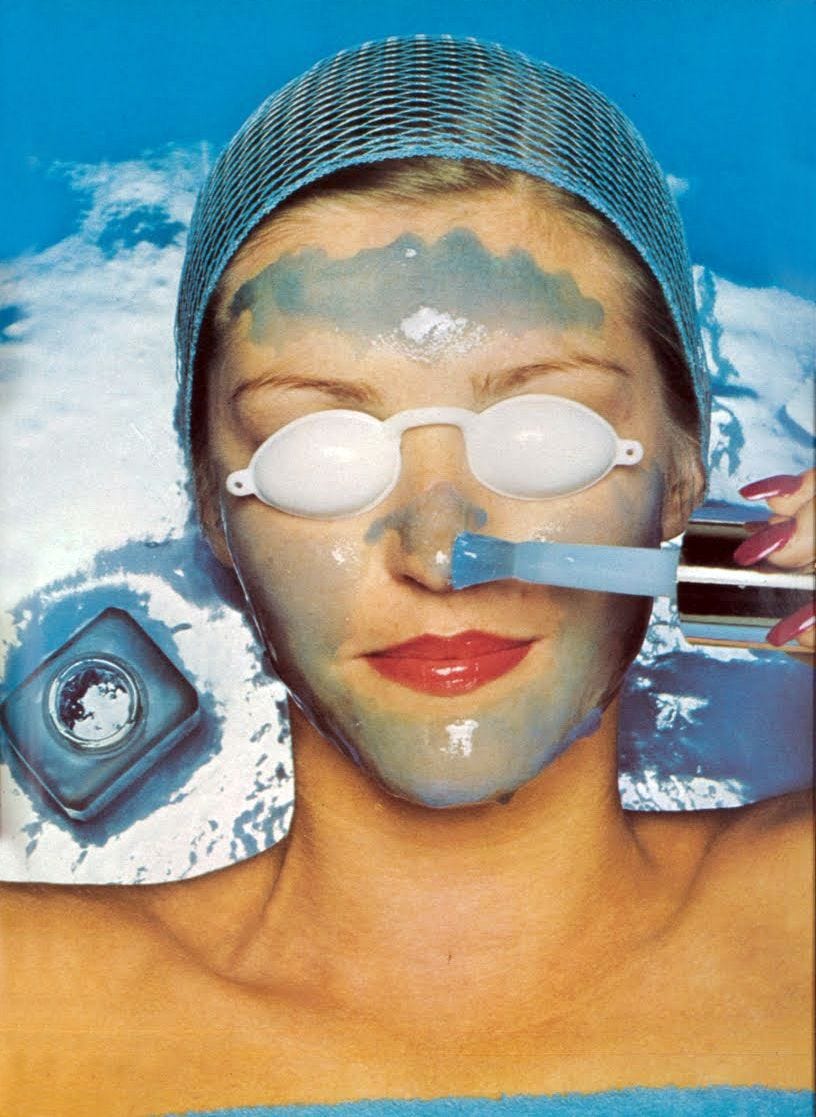
BBL (Broadband Light) and IPL (Intense Pulsed Light) are often grouped with lasers, but technically they’re light-based treatments, not true lasers. Instead of using a single focused wavelength, they deliver broad-spectrum light that can be filtered to target pigment (melanin) and redness (hemoglobin).
Treatment feels like a rubber band snap with flashes of heat; numbing usually isn’t required. Sessions are quick (15–20 minutes) and downtime is minimal — brown spots darken to a “coffee ground” look before fading over 5–7 days.
Good for: freckles, sunspots, mild pigmentation, some redness/rosacea.
Not for: melasma (risk of worsening), deeper skin tones (higher chance of burns or pigment issues).
Hybrid Laser Treatments
The best of both worlds.
Hybrid Fractional Systems (eg Halo, MOXI):
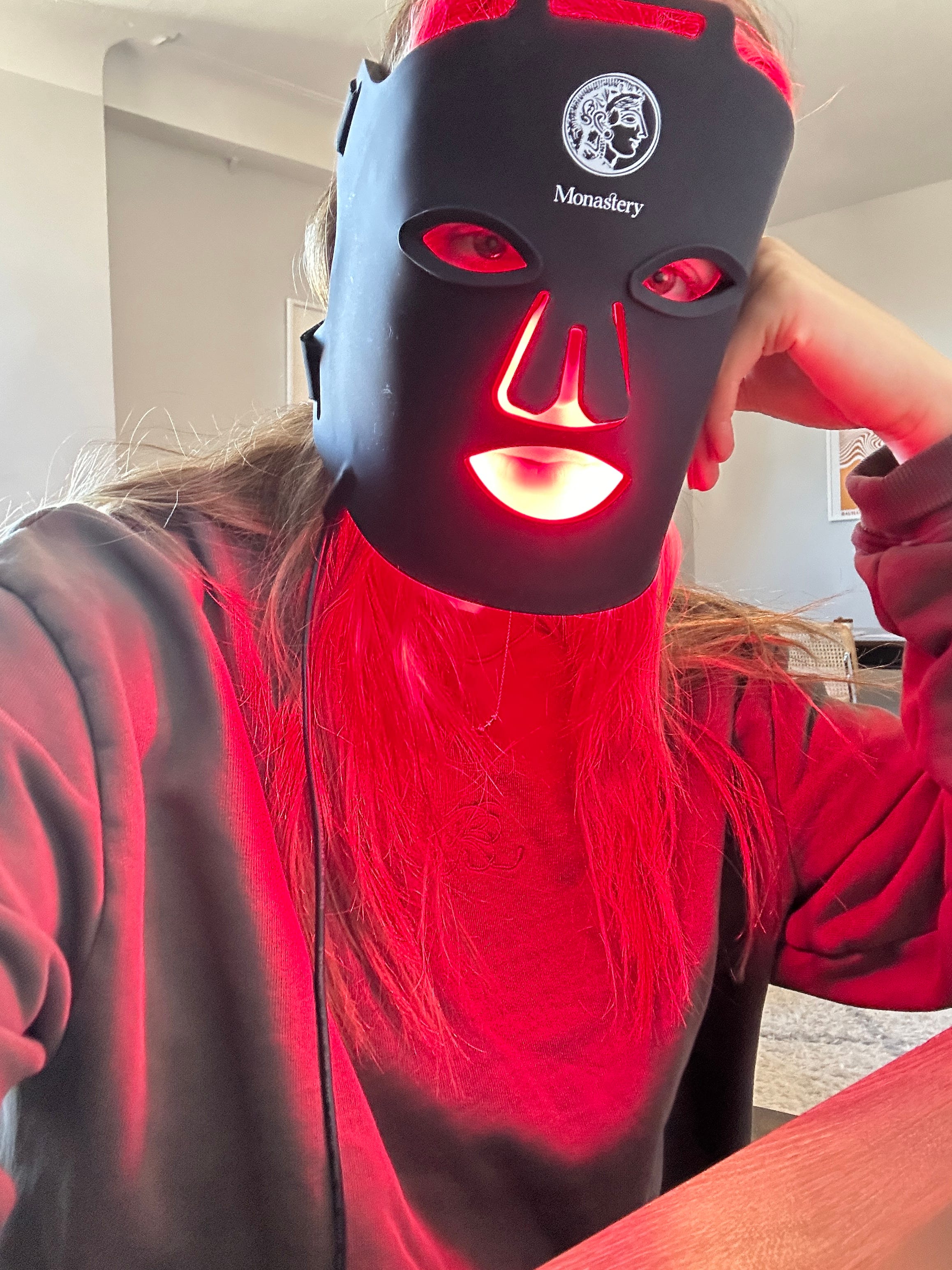
These lasers can be ablative and non-ablative, and use two wavelengths at once to treat surface issues and deeper collagen stimulation. Feels hot and stingy but manageable with numbing. Takes 30–45 minutes, with 3–7 days of redness and peeling depending on intensity.
Good for: overall rejuvenation, “one and done” results for texture + firmness.
Not for: people unwilling to tolerate visible peeling/redness recovery.
That’s it for our big fat laser guide! I hope you feel a bit more knowledgable about the topic now, or at least know where to turn to when you’re ready to dig in. If you have any more questions or esthetic glossary requests for Jolie and myself, please let me know. And if you want to geek out even harder about skincare specifics, you need to be reading
. You can (and should) also book a facial in NYC with Jolie herself here!


 | A guest post by
|
A true gift. Thank you! Saving this!
This is an extremely impressive guide and in layman's terms, which even as a beauty editor, I need on lasers.