

The Ultimate Bathing Glossary
A helpful resource for the sauna curious


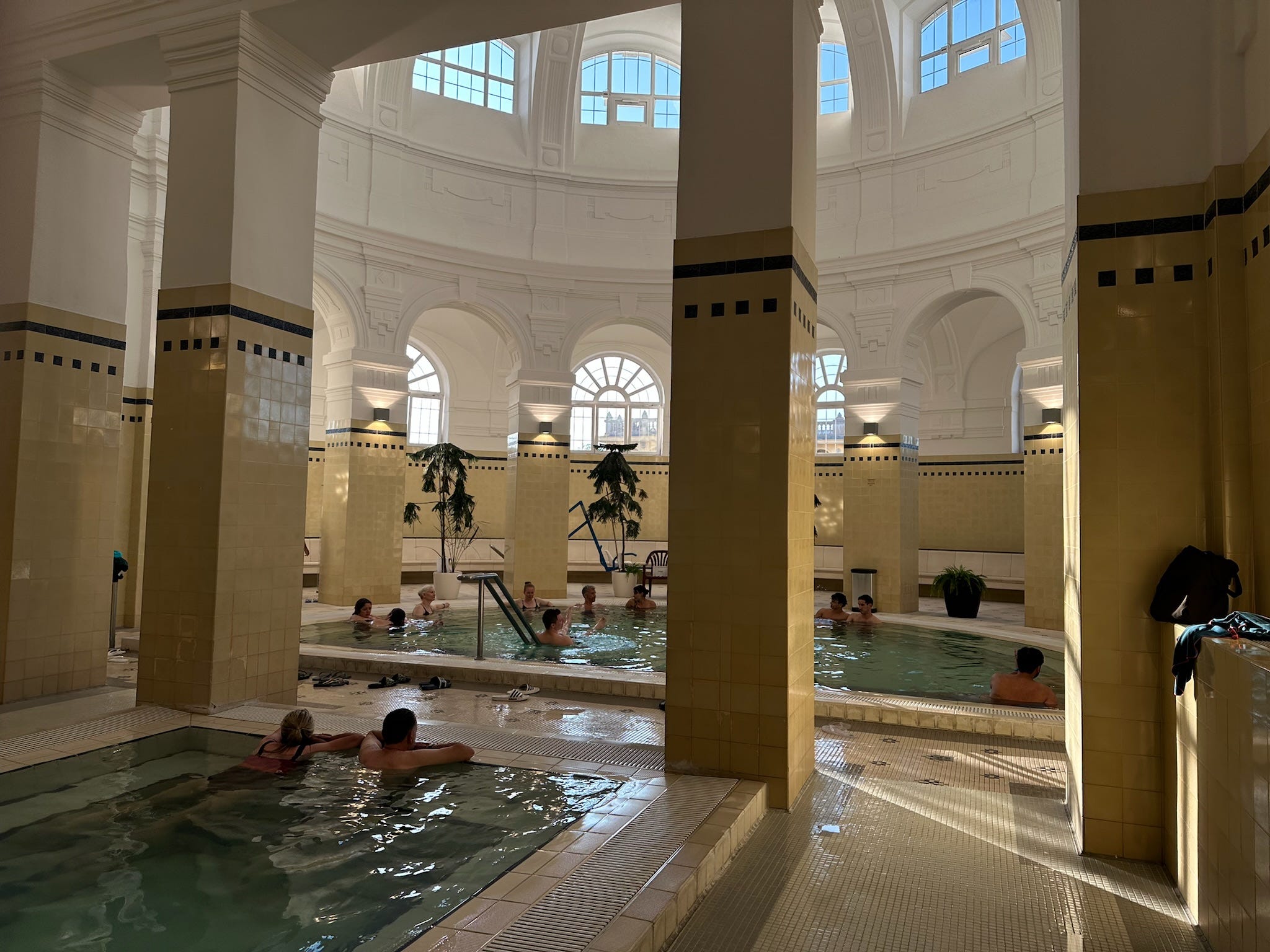
Let me just say, I know—it’s about time we talk about sauna culture on here. I’ll admit, it’s taken me a little longer than I would have liked to broach this subject, mostly because I’m pretty exhausted by the conversation that surrounds aforementioned sauna culture, particularly in the United States. If you’ve somehow missed it—I’m so envious of you—but the general synopsis is that Americans are drinking less and engaging in more isolated activities, and the rise of sauna / plunge facilities and affiliated social gatherings are demonstrating the desperation for community while maintaining health as a priority, not unlike run clubs or pickle ball leagues. That’s obviously just one angle, so if you want to go a bit deeper into the landscape and its related discourse, you can read this article or this article or this article.
Therefore, this will not be a commentary on Gen-Z’s loneliness or the sauna-sized hole in the party scene, or even, and this is a topic I’m personally quite interested in, the way we look to ancient and culturally specific wellness practices in order to counter-balance the over abundance of modern technology and what I consider to be anti-intuitive innovation. That can be my next piece, I guess.
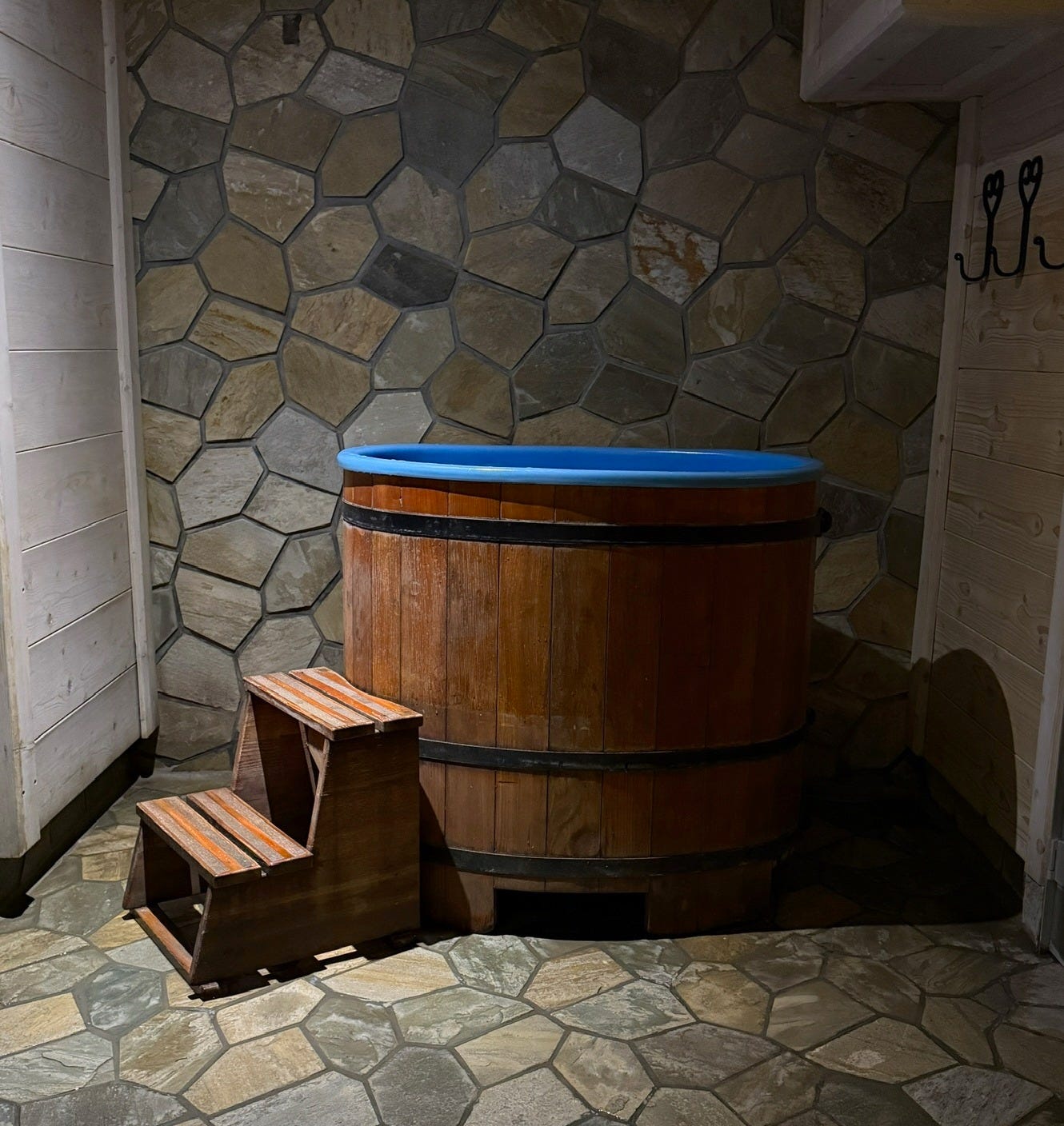
Instead, the following blog post (for some reason that terminology feels patronizing but alas) will function more like a reference document and less like a one-and-done newsletter. Just like I did for facial treatments and cosmetic lasers, I will be laying out an encyclopedic guide to bathing culture and all of the terminology associated with it.
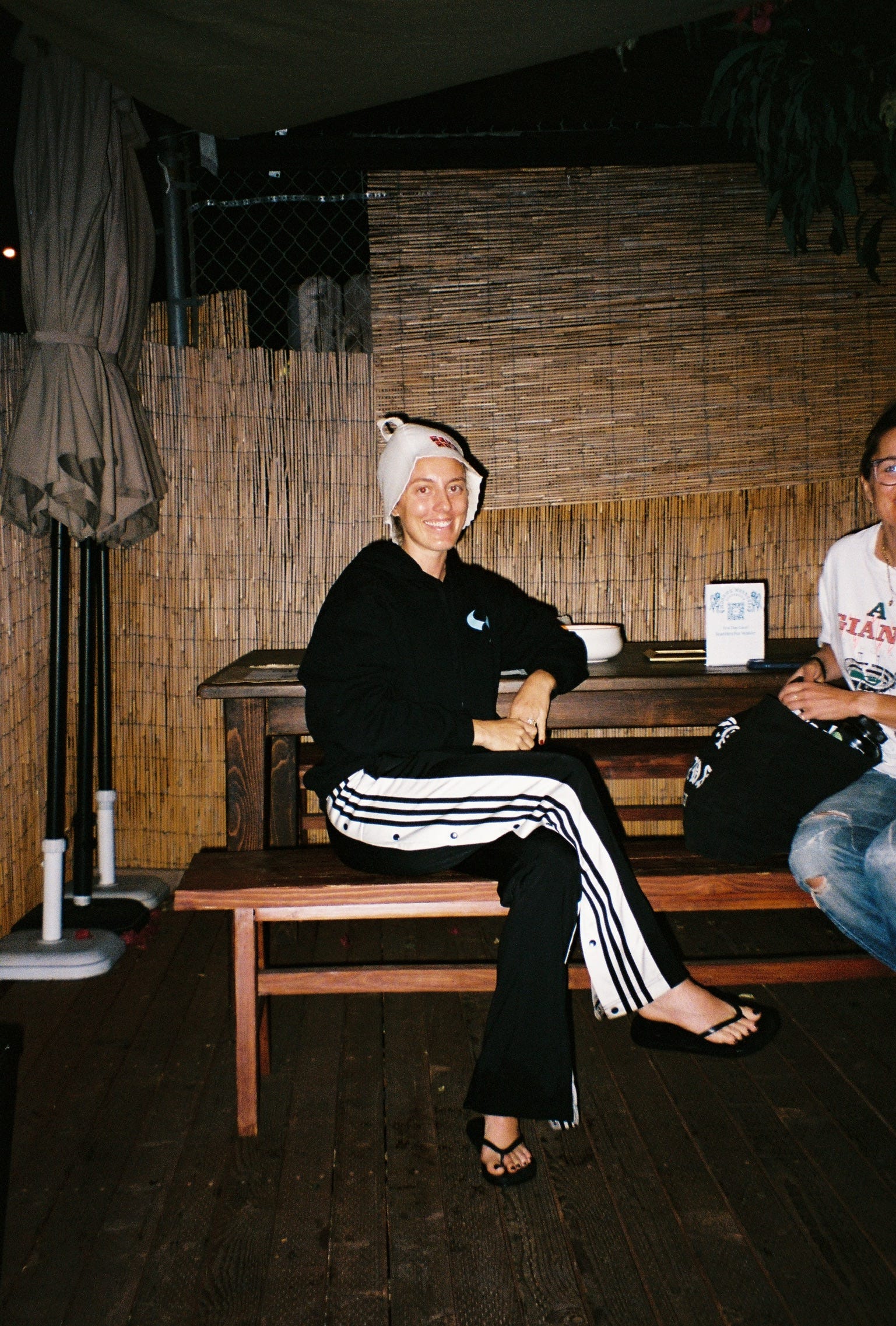
And even though I’m a casual sauna-goer myself, I thought it would be wise to bring in an authority in the space. Today, we’re joined by Coco Wittich, writer of S.P.A. and new friend of mine after an all-too-apt hang session at the soon-to-be-opened Lore, to fact-check all of my definitions and offer a bit of expert commentary.
A Note from Courtney:
SPA is committed to cataloguing the experience, growth, and emerging developments in the sweat-and water-bathing spaces, inspiring new ways to adventure and relax for the post-iPhone leisure world. Although, my adventures in SPA began well before the Substack, which you can read about here. I take the role of cultural anthropologist very seriously with the lens of being a bathing connoisseur, sauna sommelier, and water gourmand. I’m obsessed with water—hot, cold, still, sparkling, even the molecules in my body getting moved around with pressure or vibration—so this project makes me feel like the Carrie Bradshaw of SPA (salus per aquam ~ health through water).
I’m obsessed that this guide is created to give insight into the terminology being used for new bathing builds and old humanistic rituals around the world. So you can figure out what to prioritize as you try them all on the path of figuring out what works for you.
Now that we’ve got all the background covered, it’s time to get into the meat of it. Without further ado, please enjoy this A-Z Bathing Encyclopedia, brought to you in partnership by Plant Based and S.P.A.
Aufguss:
From the German word, meaning infusion. A choreographed sauna performance where the aufgussmeister (a scantily clad human) whips essential-oil steam around the room with a towel. It sort of looks like he’s conducting an orchestra or sorts. In Germany and other parts of Europe, aufguss-ing requires certifications and there are aufguss competitions which crown winners with medals. If you live in NYC, you can try Aufguss at Bathhouse where they recently hosted a competition!
Bathing:
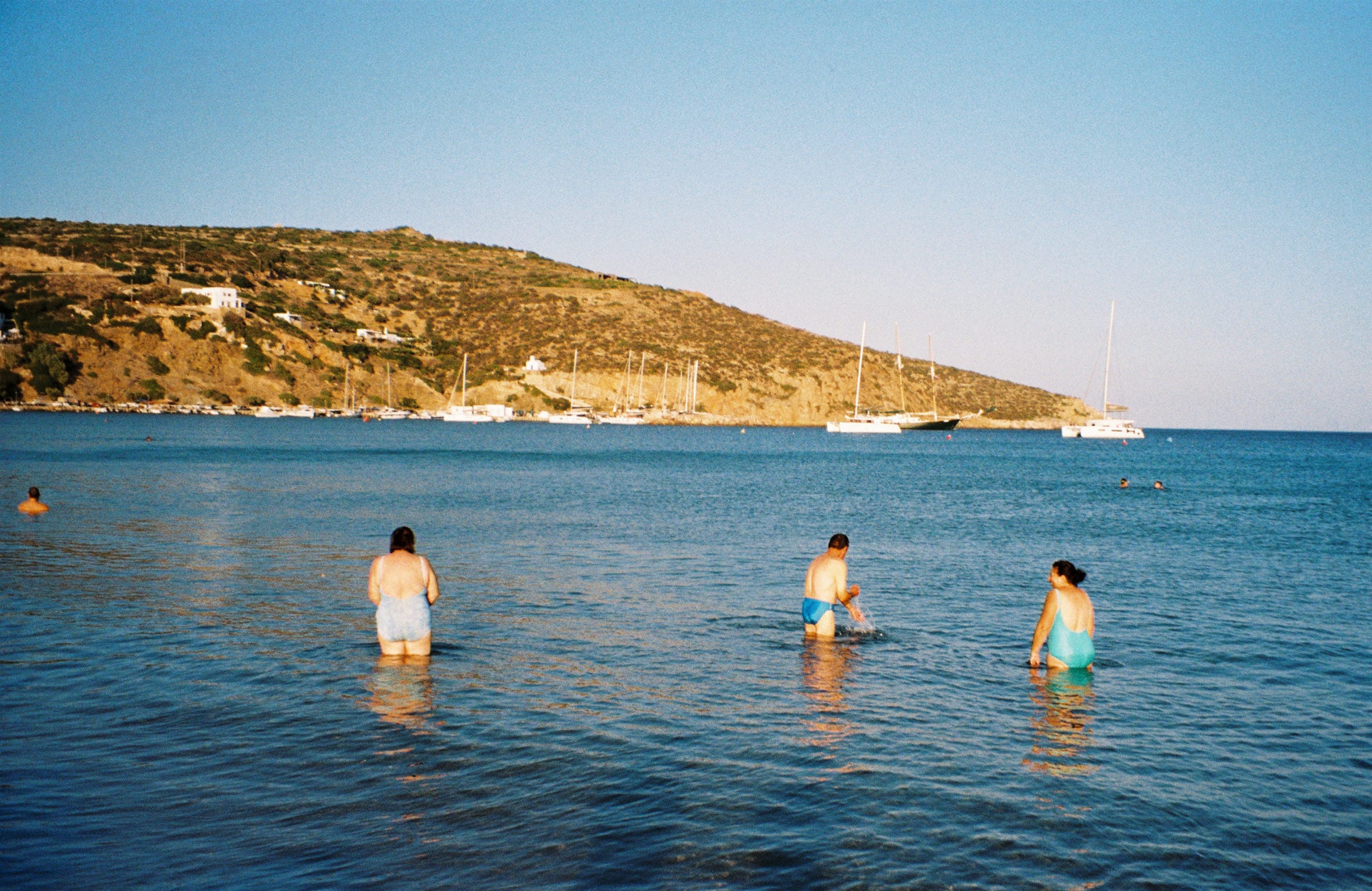
The umbrella term for doing things with hot water, cold water, steam, sweat, or all of the above. An act that produces a state of mind literally and symbolically associated to cleansing, relaxing, and reinvigorating. (See hydrotherapy)
Banya:
A traditional Russian bathhouse involving extreme heat, ice-cold plunges, and being gently beaten with oak leaves. Traditional banyas use large, kiln-like rooms designed to hold dense, heavy steam and significantly more moisture than a typical sauna for a more intense experience. The word banya refers to the the heated kiln room and the encompassing heated bathhouse.
You may see a platza treatments taking place in the banya. The platza meister uses a venik (a leaf broom usually oak, birch, and/or eucalyptus branches) to perform a whisking of the hot air and natural oils of the venik to detoxify the skin, lightly exfoliate, and invigorate the bather.
What to expect: Older Eastern European men who are eating pelmeni, borscht, and various meats, drinking vodka or beer, and going back for multiple rounds of hot and cold, and tapping each other with branches.
Contrast Therapy:
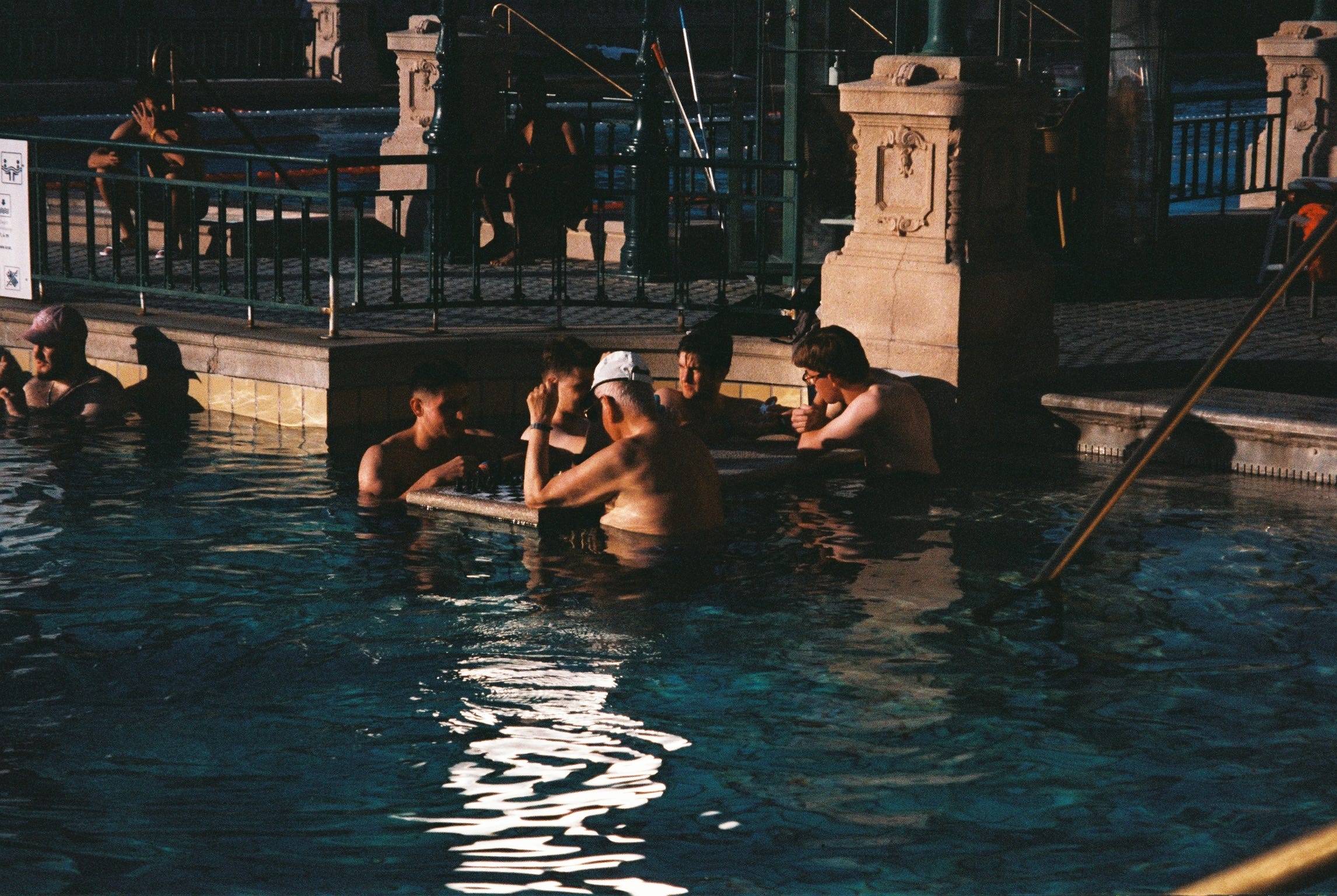
A recovery practice that involves alternating between extreme heat (like a sauna or a very hot tub) and extreme cold (plunge or shower) to stimulate circulation. The rapid switch from vasodilation to vasoconstriction can help reduce inflammation, support muscle recovery, and create a noticeable shift in energy and mood. Common cycles involve a few minutes of heat followed by a brief cold immersion, repeated for one to three rounds.
Cryotherapy:
A form of extreme cold therapy where the body is temporarily exposed to extremely low temperatures by way of liquid-nitrogen-cooling chambers. It’s typically used for inflammation, mood support, and recovery. Cryotherapy is usually a dry method of cold exposure therapy where plunging is wet.
Dry Sauna:
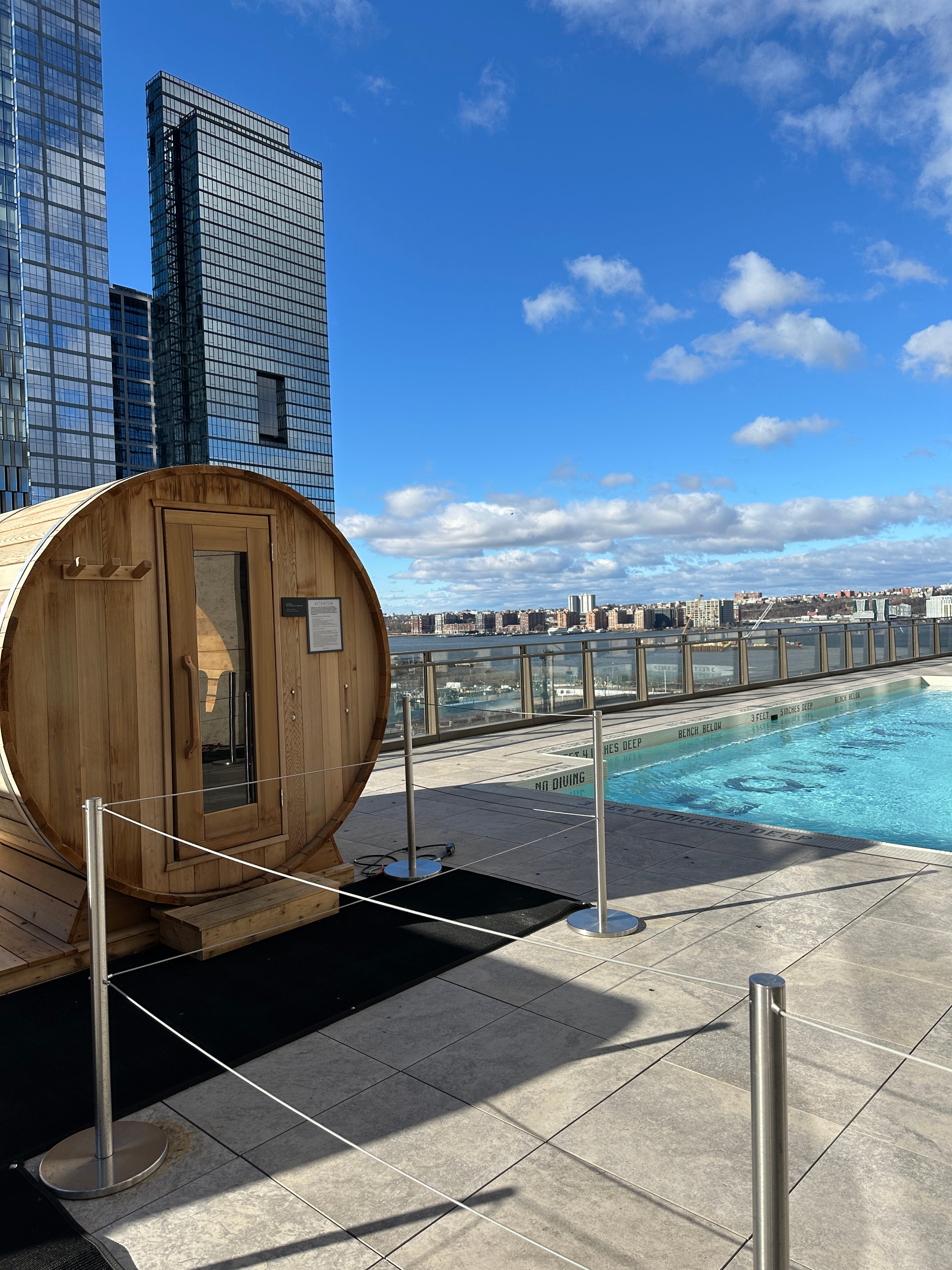
A high-heat, low-humidity environment typically made of wood. Temperatures range from 160–200°F. The goal is to induce sweating, promote circulation, and support relaxation. Cedar or hinoki are often used because they stay cool to the touch, resist moisture and bacteria, and release subtle aromatherapeutic oils (that nice sauna smell) that deepen the calming effect of the heat.
Enzyme Bath (Cedar / Hinoki):
A cedar enzyme bath is a Japanese-origin therapy where the body is buried in a self-heating mixture of finely ground cedar, rice bran, and active plant enzymes. The natural fermentation process generates a gentle, radiant heat that cocoons the body (think: being buried in warm sand at the beach when you were a kid). The bath promotes circulation, detoxification, and deep muscle relaxation, and the experience feels like sinking into a warm, aromatic quicksand.
Finnish Sauna:
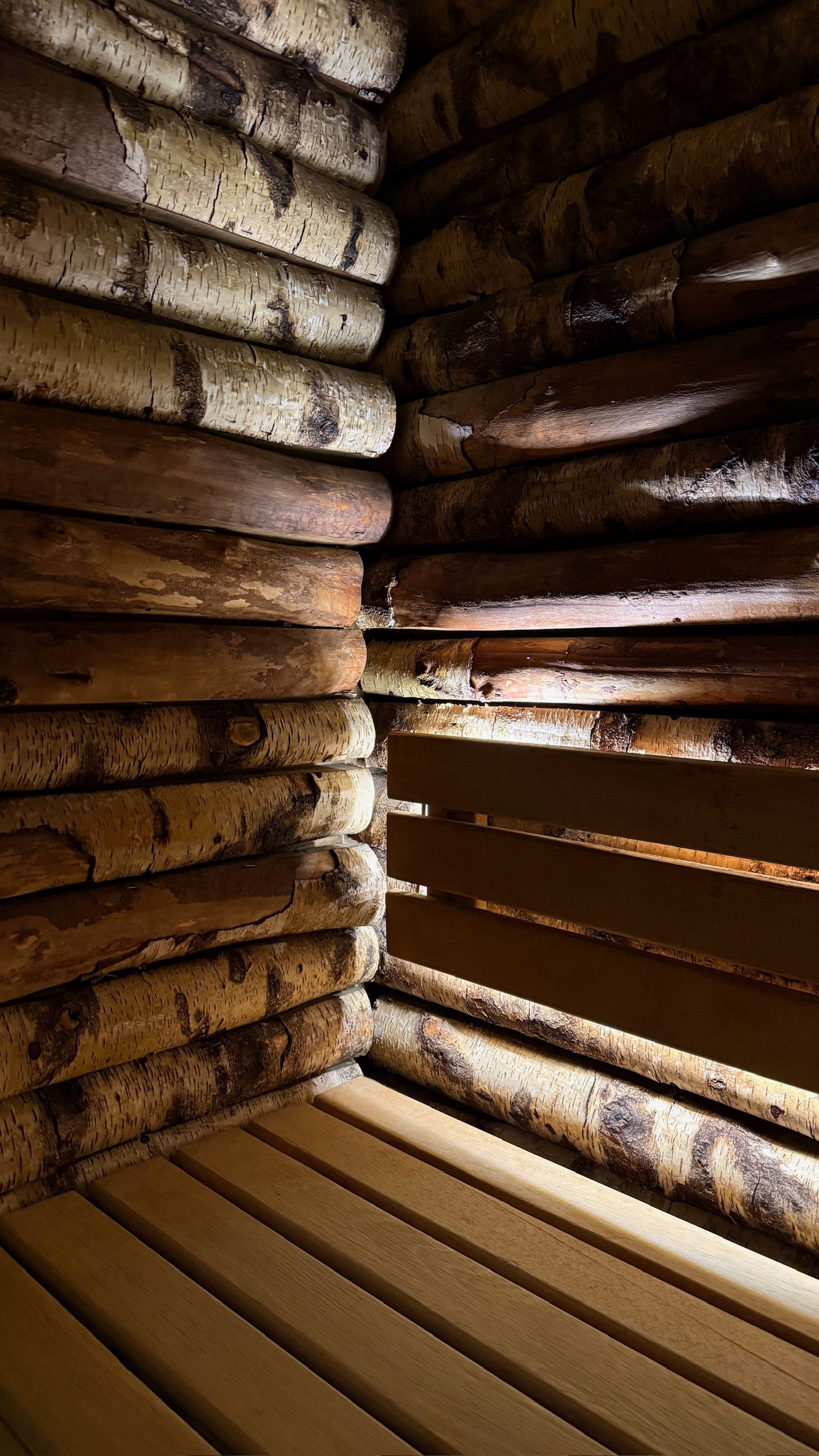
A traditional dry sauna originating in Finland, typically built from wood and heated to 160–195°F. Water can be poured over hot stones to create löyly (see below), but humidity stays low compared to steam rooms. Finnish saunas emphasize steady heat, deep sweating, and periodic cooling breaks. They’re the foundation of modern sauna culture.
Fun fact: There are over 3 million saunas in Finland—that’s at least one sauna for every two people in the country.
Hammam:
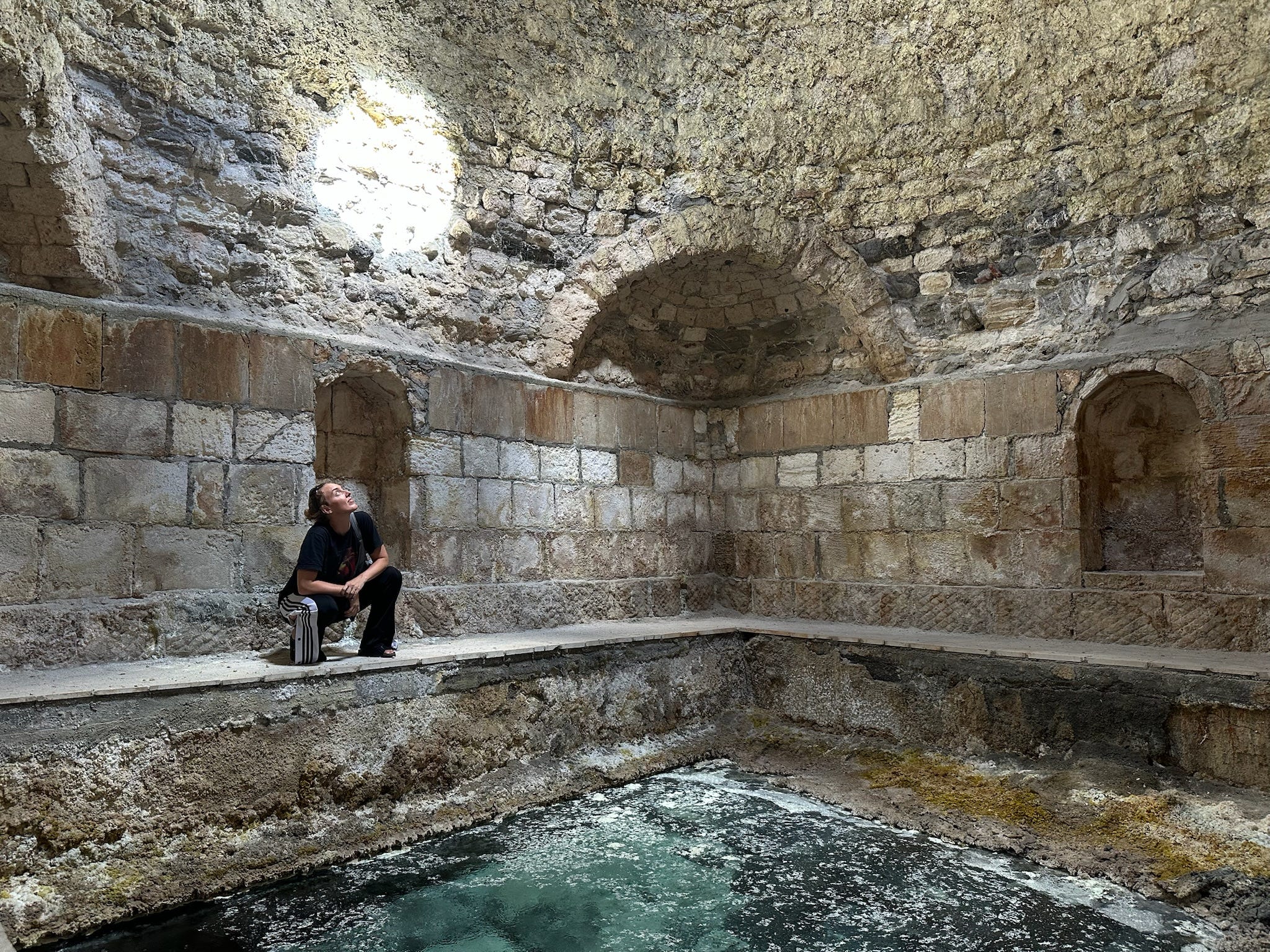
A Middle Eastern and Turkish bathing tradition involving heated marble rooms, steam, and full-body cleansing rituals such as exfoliation and final soapy/ sudsy foam wash. Also referred to as a Turkish bath.
Most popular in Muslim cultural regions, the spread of Turkish bathhouses was well documented during the Ottoman Empire, with many hammams becoming integral parts of mosque complexes. Hammams traditionally served as gender separated communal gathering spaces — part hygiene, part ritual purification, part social hub — marking life events like births, weddings, and holidays.
What to expect: Black soap & kessa gloves as part of the exfoliation process.
Hot Spring:
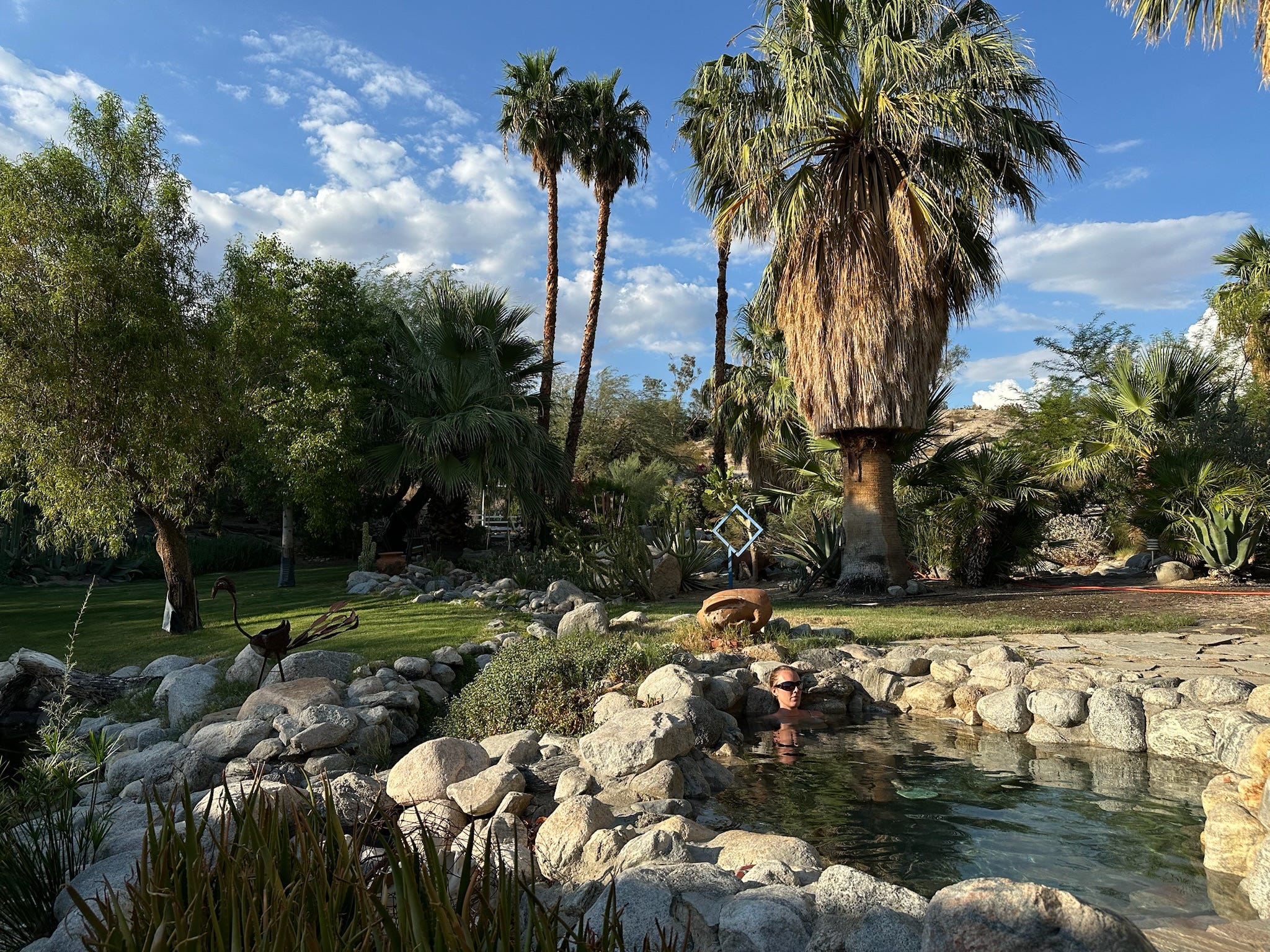
Naturally heated pools rich in minerals such as magnesium, sulfur, and calcium. Used for relaxation and skin and muscle benefits, depending on mineral composition. Top spring hot spots are Iceland, Turkey, New Zealand, Japan, Italy, Western US, Hungary, and Costa Rica (they tend to cluster around volcanic or geothermal zones).
Hot springs are the oldest form of communal bathing, “taking the waters” dates back thousands of years and became the first driver of wellness tourism during the 1800s, when travelers sought therapeutic cures in geothermal towns across Europe. Both in the past in the US and in other cultures, hot spring bathing traditionally is done in the nude for a deeper connection to the natural environment soaking outdoors.
Hydrotherapy:
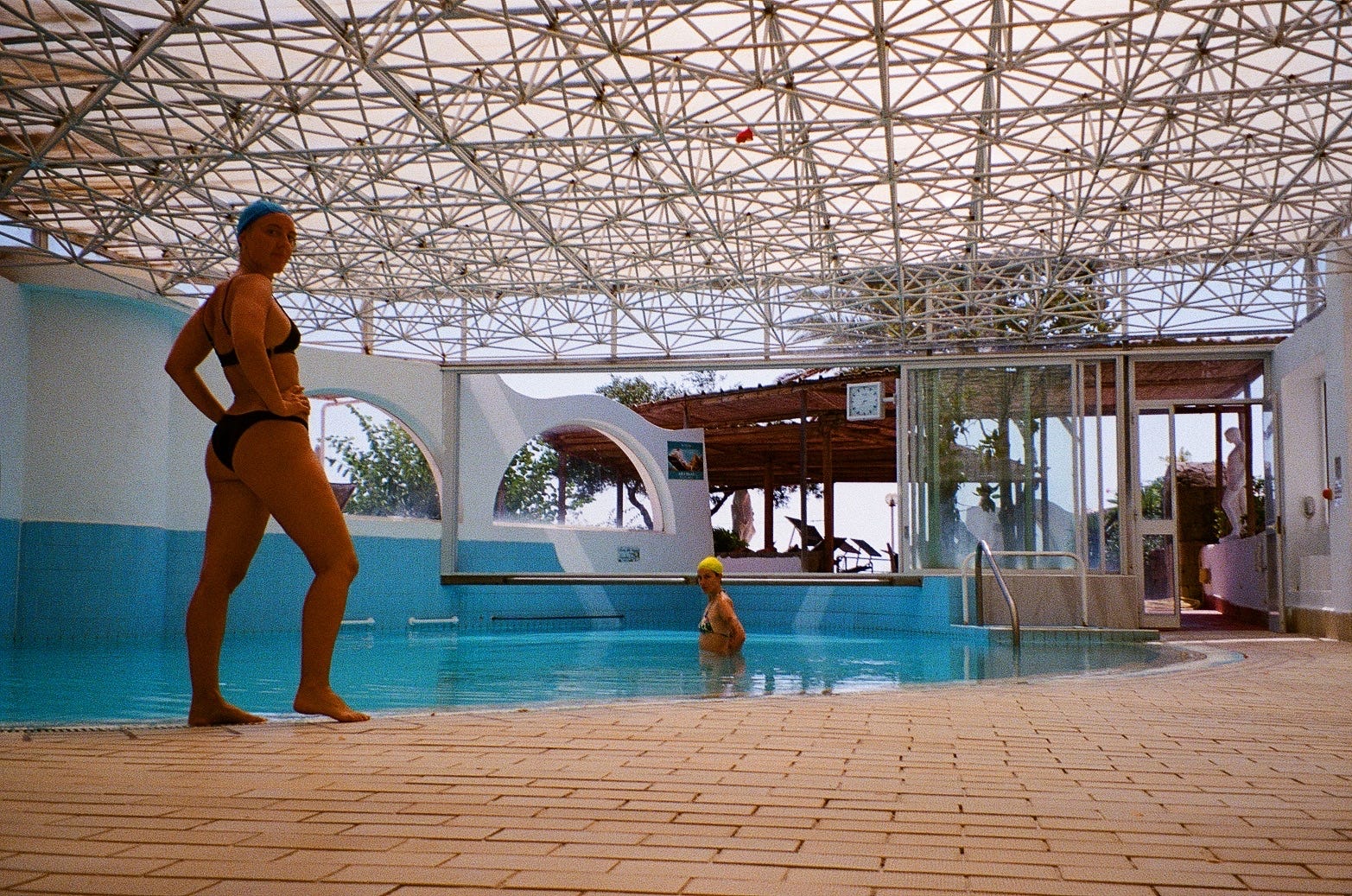
Hydrotherapy is the therapeutic use of water, hot, cold, steam, or pressured, to influence circulation, soothe muscles, and support recovery. Techniques range from heated baths and jets to contrast therapy. It’s one of the oldest wellness practices, rooted in ancient bathing cultures and later formalized in European spa medicine.
Infrared Sauna:
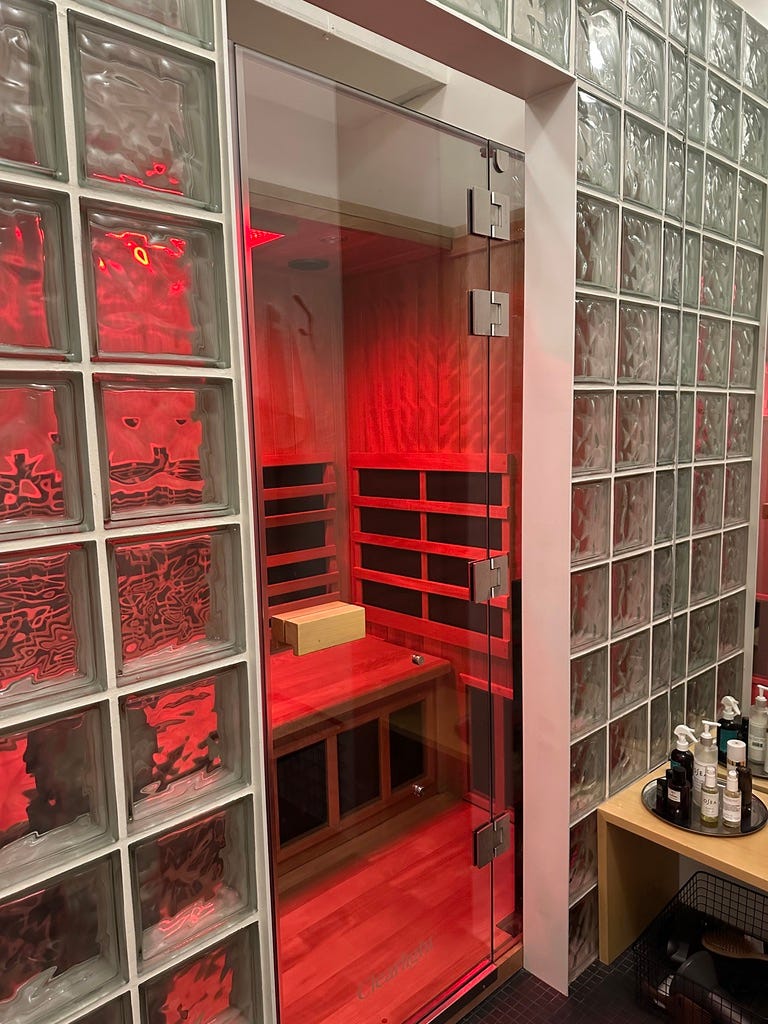
A sauna that uses infrared wavelengths to heat the body directly rather than heating the air. Infrared saunas are slightly cooler than dry saunas, which allows for longer sessions (or access for those who don’t do well in the heat). It’s thought to improve circulation, aid in relaxation, support mild cardiovascular conditioning, and help with muscle recovery and fighting inflammation.
Emerging research also suggests that infrared exposure may support mitochondrial function, the powerhouse of the cell, as you know, by enhancing cellular energy production and repair. However, more research in humans is still needed.
Jjimjilbang:
A Korean-style bathhouse the word roughly translates to “heated rooms” offering multiple saunas, soaking pools, steam rooms, and often rest areas and food (like kimbap and baked eggs). The experience emphasizes community, cleansing, and prolonged relaxation.
Wi Spa is a well-known brand of jjimjilbang. Men and women are usually separated in the wet spa areas, where nudity is the norm for bathing, scrubbing, and soaking. Everyone comes back together in the large co-ed common spaces, wearing the signature cotton pajamas to enjoy the saunas, cafés, nap rooms, and heated floors (ondol).

Kneipp Path:
A Kneipp Path is a traditional German hydrotherapy walk featuring alternating hot and cold foot baths or shallow channels usually with rocks at the bottom of the pool adding a layer of walking reflexology. Moving through these contrasting temperatures stimulates circulation, strengthens vascular responsiveness, and refreshes the lower limbs. Usually the recommended loop is between 10-15 rounds. You’ll find them at the end of hiking trails and in many spa complexes in Europe.
Löyly:
The Finnish term for the steam and heat released when water is poured over hot sauna stones. It’s considered the “spirit” of the sauna—representing the quality, softness, and feel of the heat. It’s central to traditional Finnish sauna culture; the Fins say without löyly, a hot wooden room isn’t really a sauna.
Onsen:
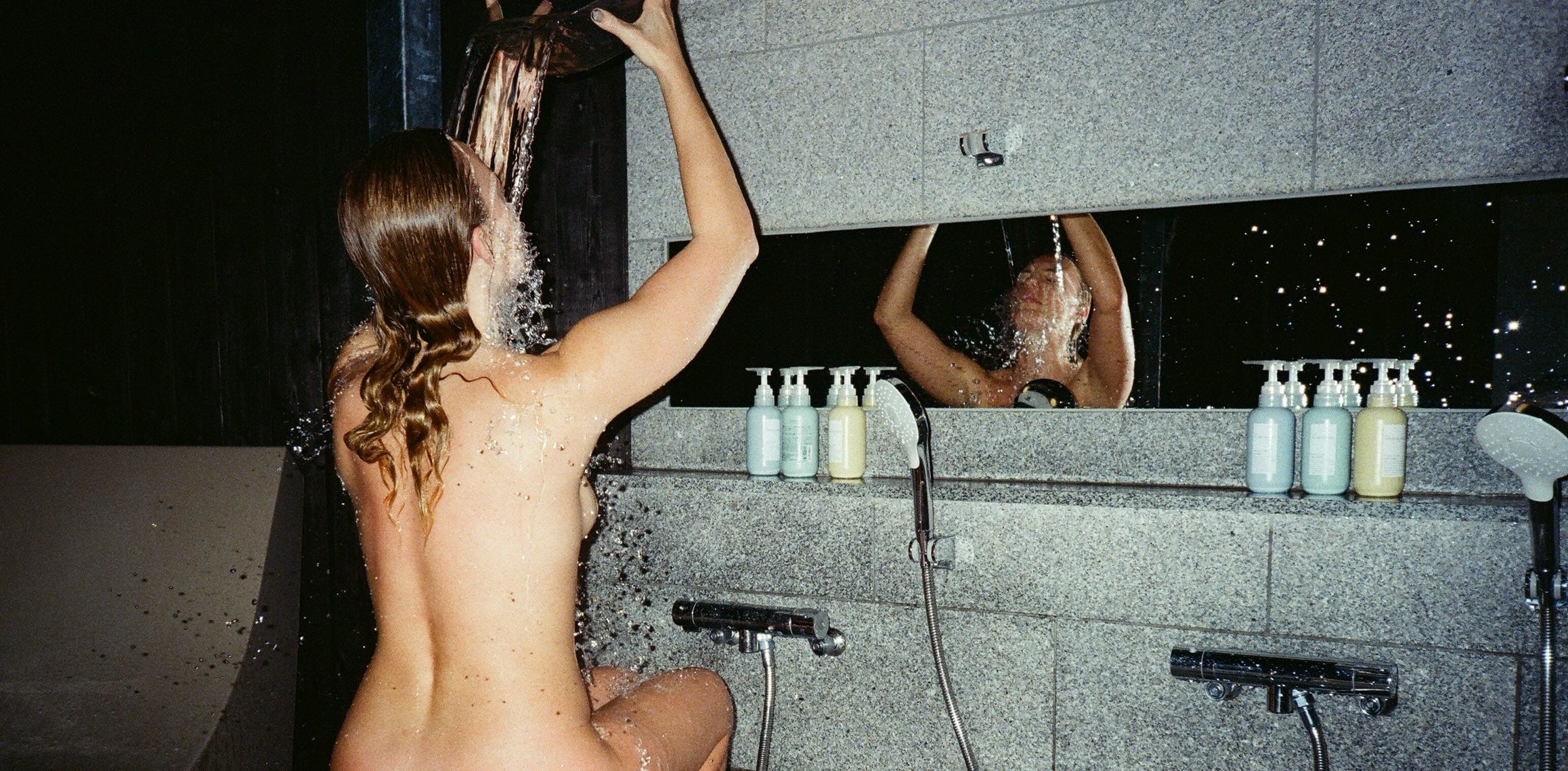
A Japanese hot spring bath sourced from geothermal waters. Onsens have specific etiquette—thorough pre-washing, quiet energy, and usually communal nudity separated by gender.
The kanji for onsen ♨️ (湯) is so iconic it became international shorthand for hot springs. If you visit a traditional Japanese Onsen or stay at a Ryokan (a traditional Japanese inn) that houses an onsen, be sure to check the rules about tattoos (they used to be more strict and in some areas are easing up) and follow them.
What to expect: snacks like onsen eggs, cold milk or coffee milk, icepops. Maybe even some snow monkeys if you’re in Nangano, Japan.
Plunge:
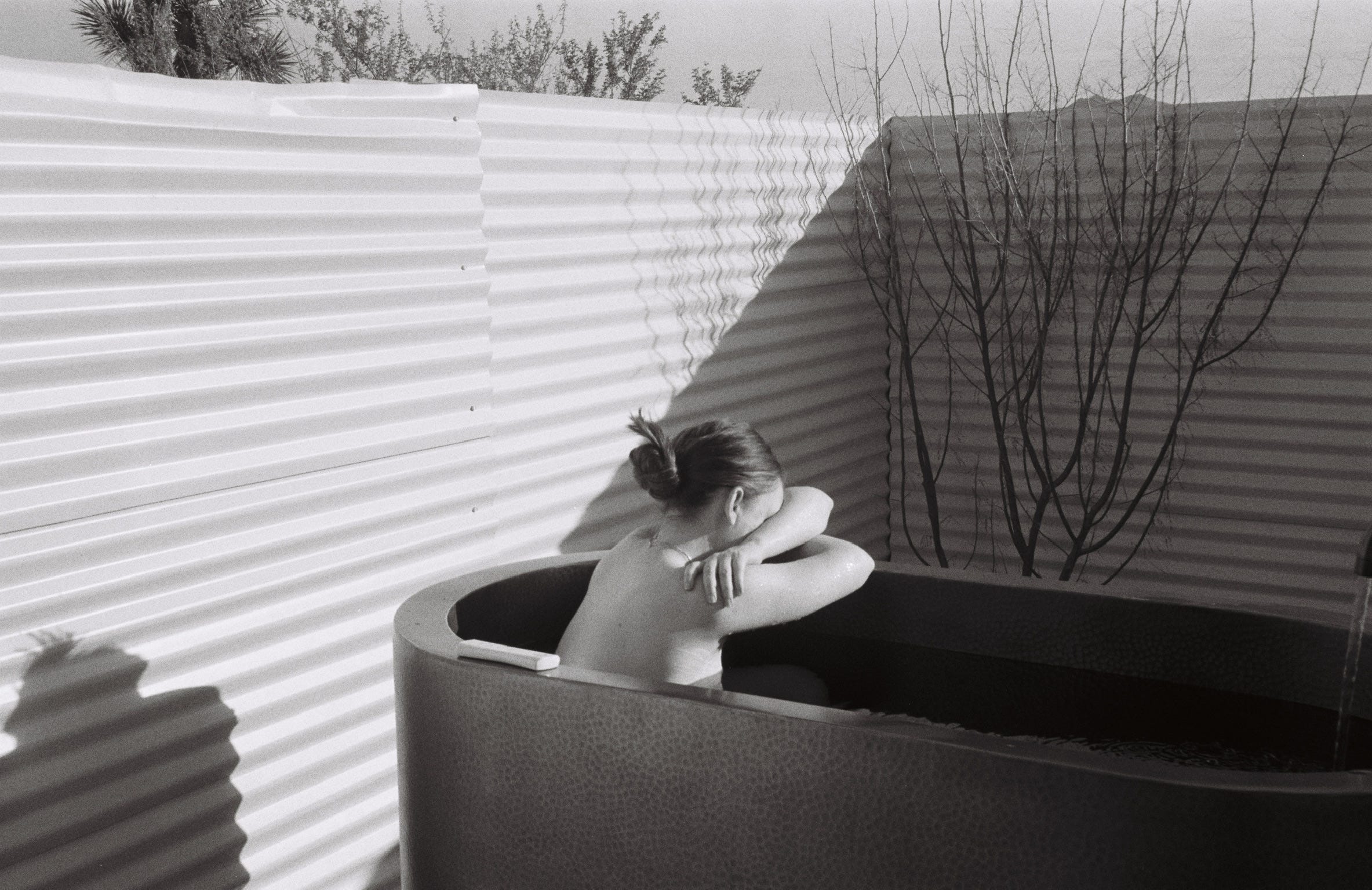
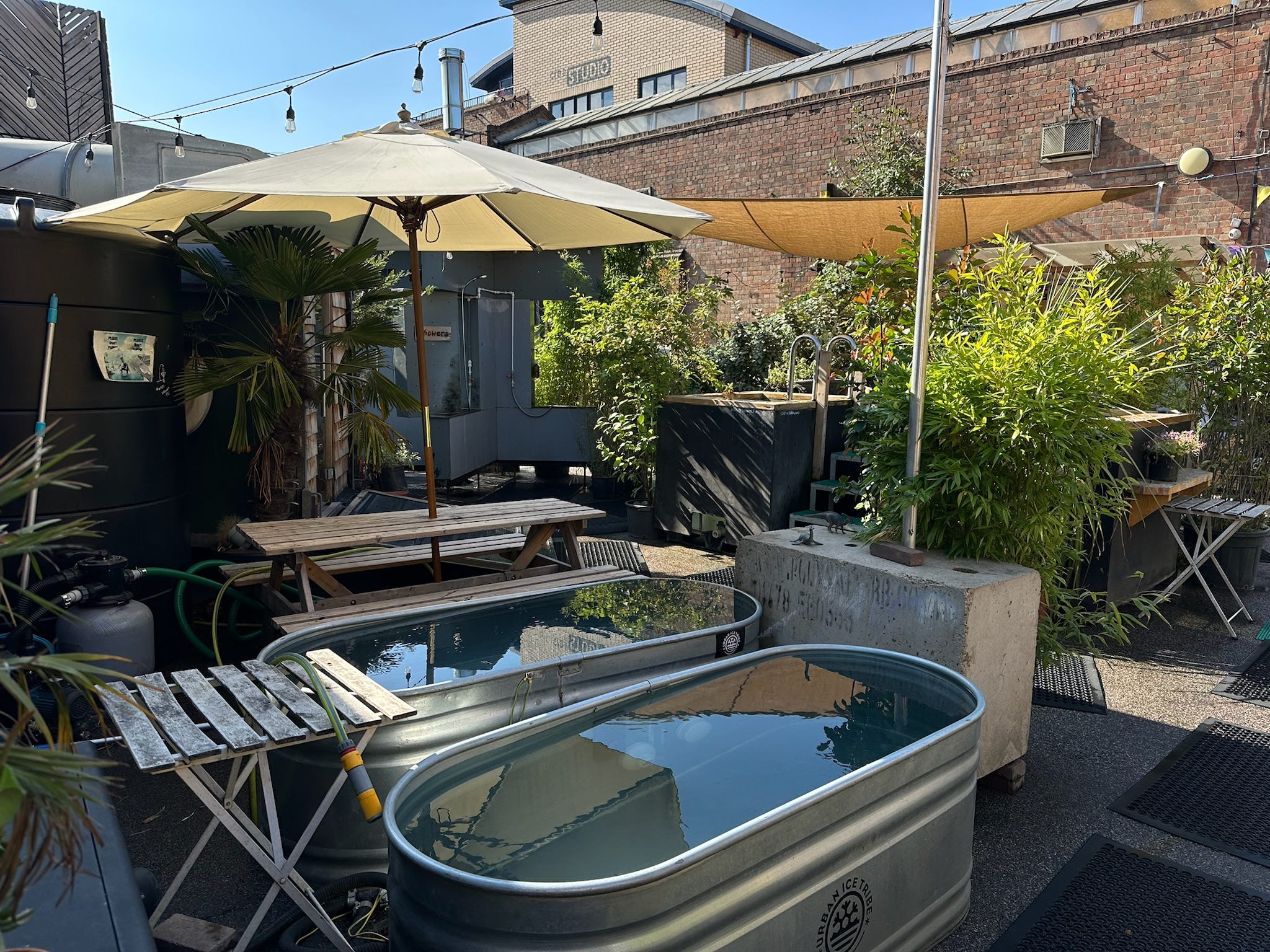
Usually referring to an immersion in cold water, typically 39–55°F, which is used to reduce inflammation, support recovery, and stimulate the nervous system. Sessions usually last from 30 seconds to a few minutes.
Sauna:
A general term for heated rooms designed to raise core temperature and promote sweating. A sauna can refer to dry, wet, infrared, or traditional Finnish formats.
Sauna Hat:
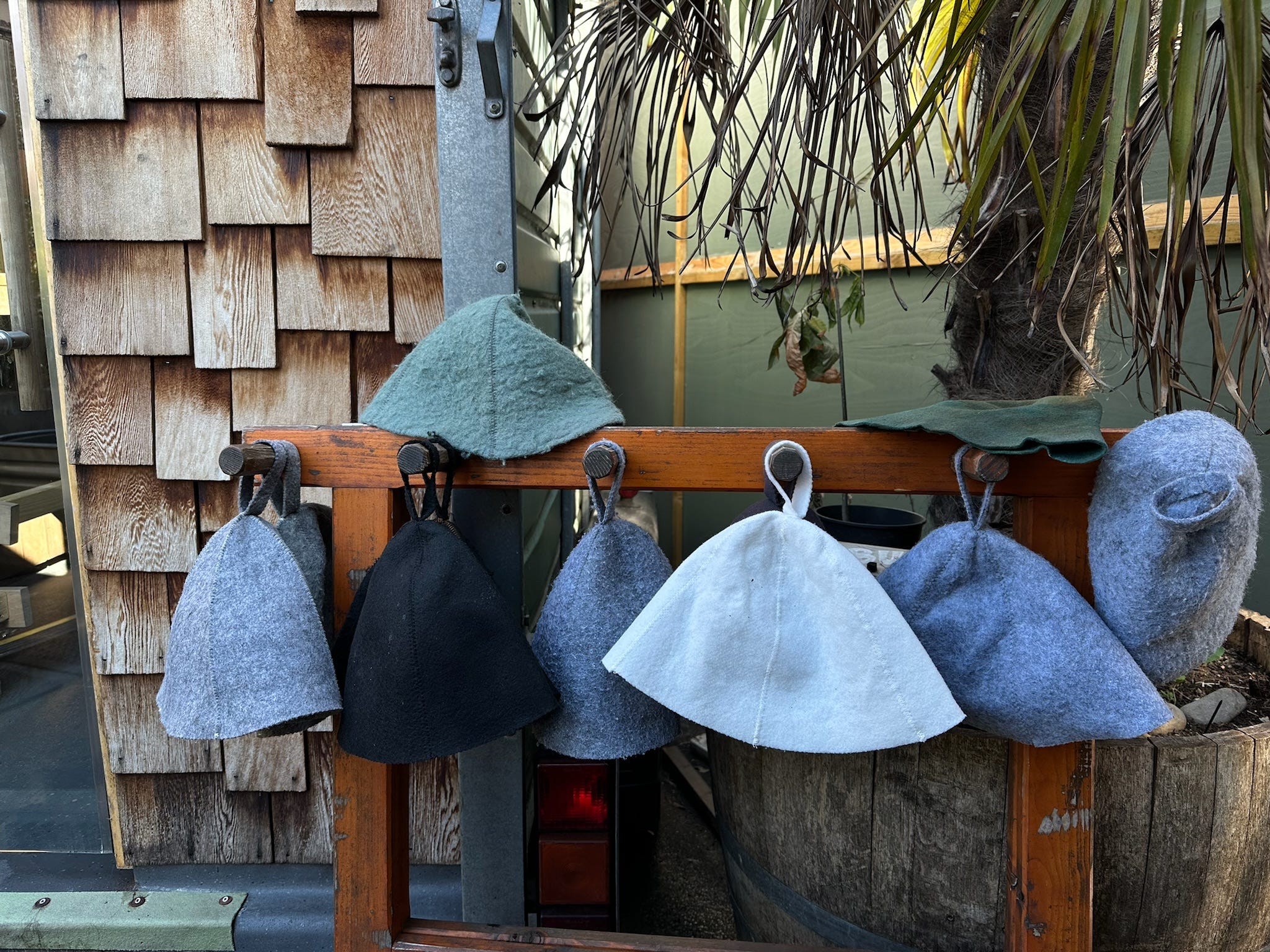
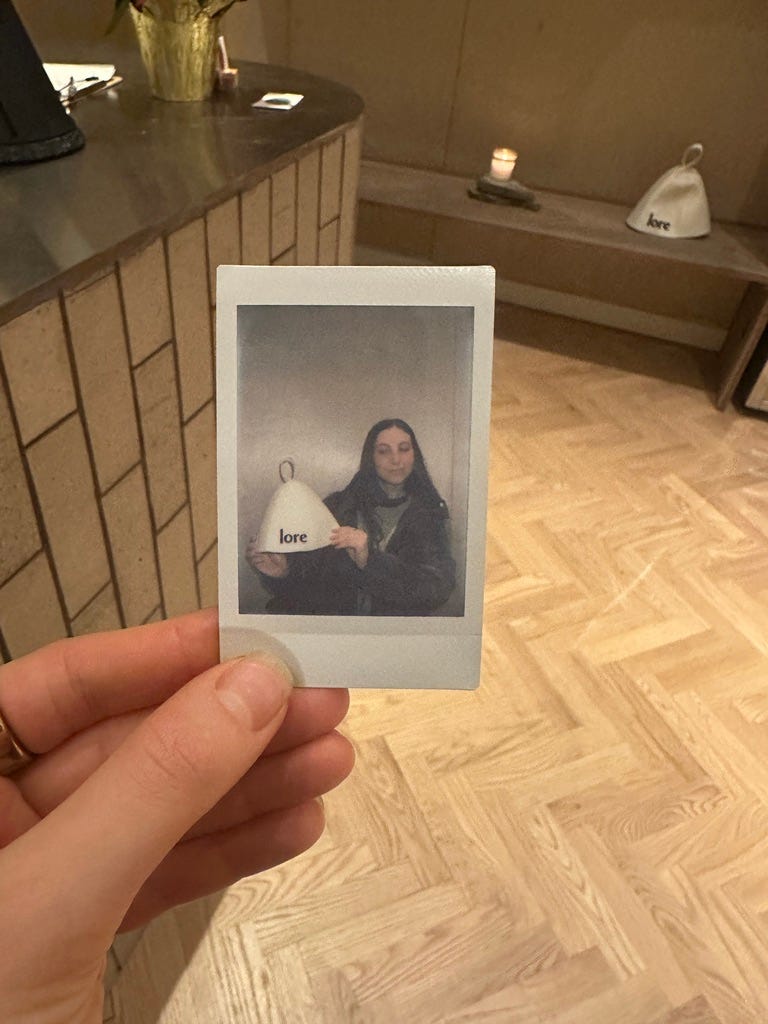
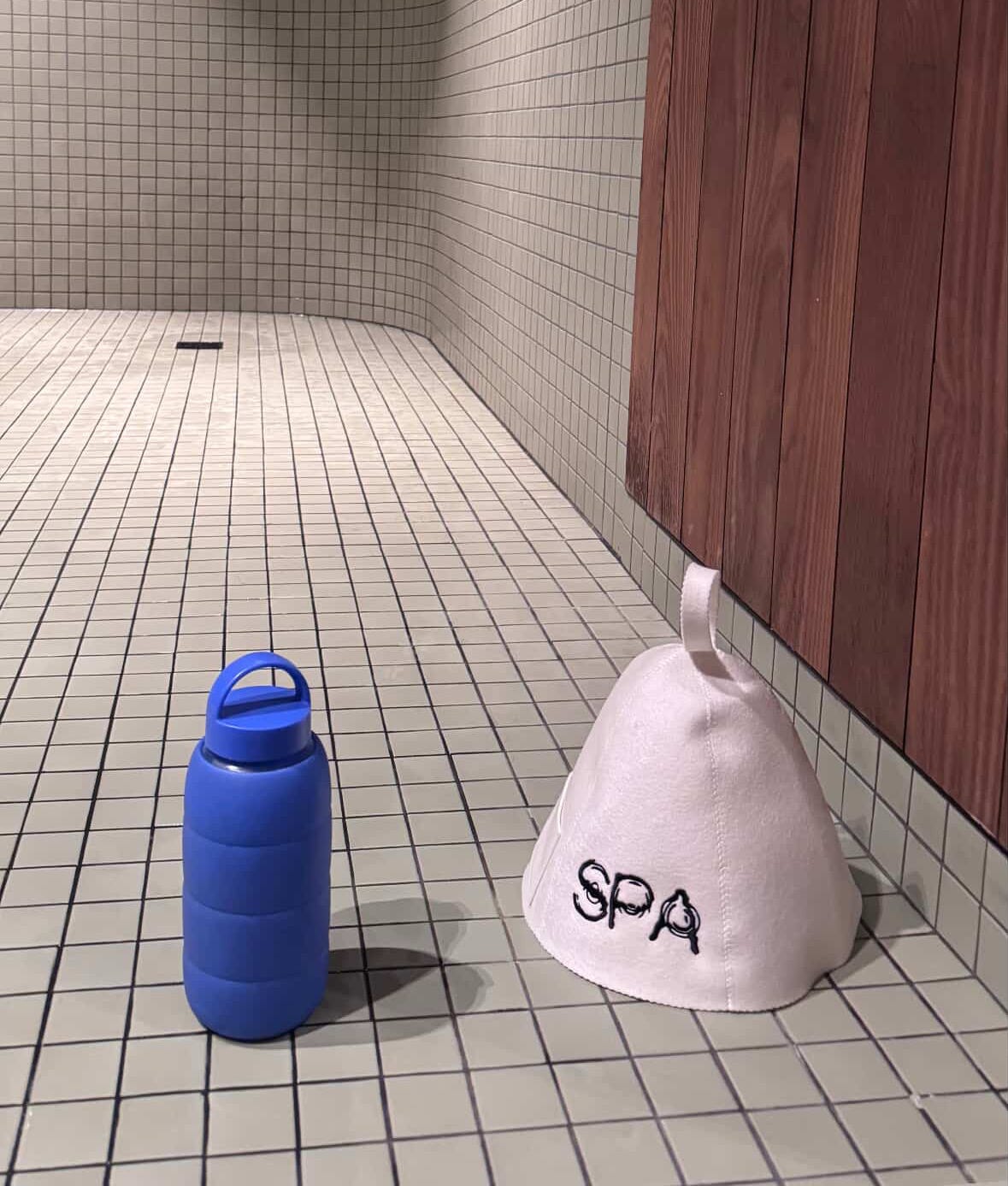
A sauna hat (or banya hat) is a felted wool cap worn in high-heat environments to insulate the head, protect the hair, and prevent overheating. By regulating temperature around the scalp, it helps safeguard the brain from excessive heat and keeps hair from drying out, allowing for longer, more comfortable sauna or banya sessions. May we recommend the SPA sauna hats?
Schvitz:
A Yiddish term meaning “to sweat,” often used to describe classic steam baths or traditional communal sweating practices in Eastern European and NYC bathhouse culture.
Sentō:
A Japanese public bathhouse that uses heated tap water rather than natural hot springs (see: Onsen). Sentōs are communal, affordable, and designed for daily bathing and relaxation. They follow similar etiquette to onsens but are more urban and accessible.
Sitz Bath:
A shallow warm-water bath used to soothe the lower pelvis, perineum, and lower abdomen. Commonly used for pelvic floor care, postpartum recovery, and inflammation relief, so you might find them in a hospital’s postpartum unit or at a specialty spa, but they’re typically used in at-home care. V Steaming or Yoni is a popular Korean version with herbs.
Steam Room:
A high-humidity environment filled with warm vapor and occasionally essential oils. They’re usually at 100% humidity and lower temperatures than a sauna. Used for respiratory support, skin hydration, and relaxation.
Thermal Pool:
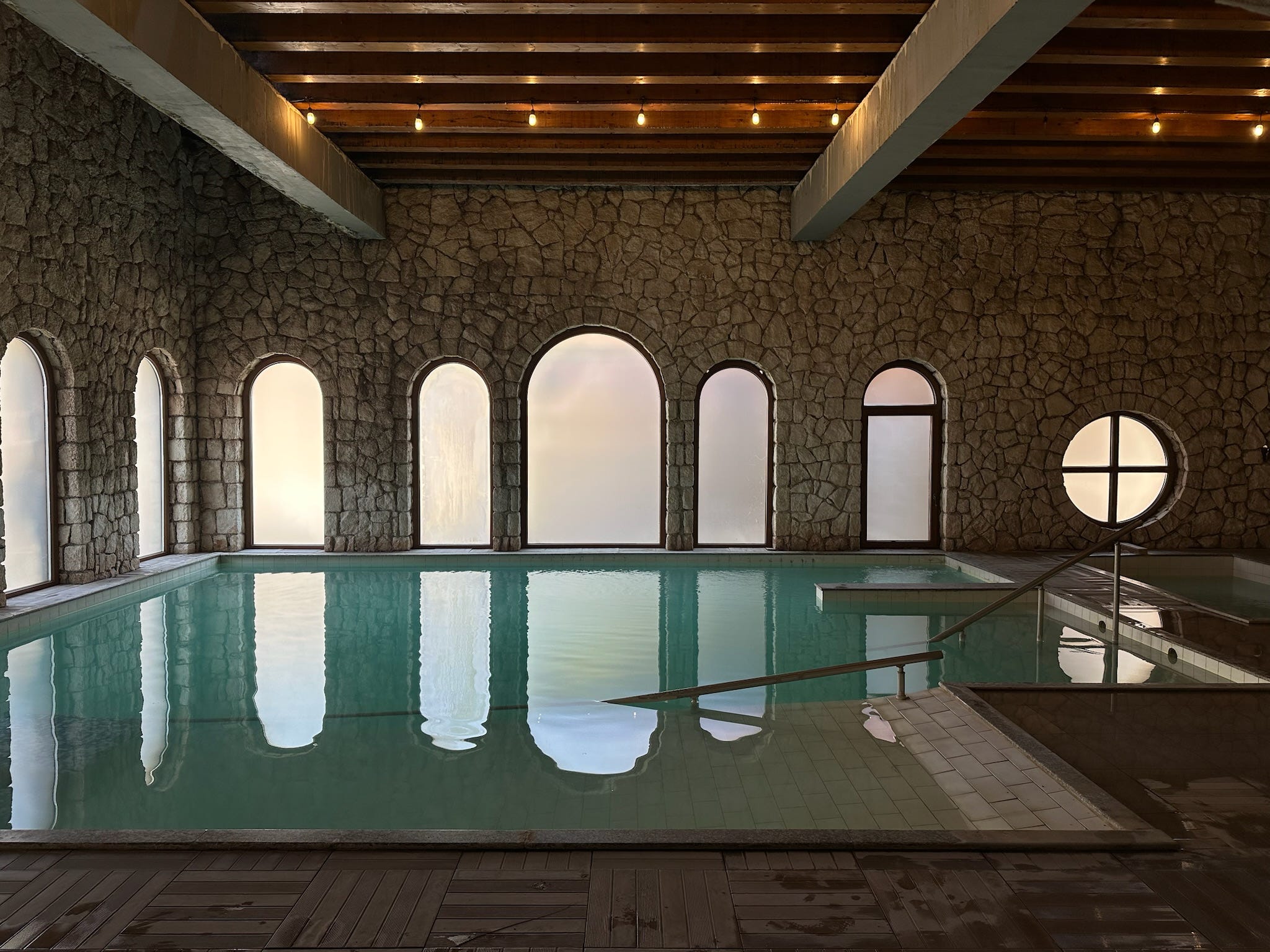
A pool filled with naturally heated or geothermally warmed water—sometimes enhanced with minerals or salts. Thermal pools are used for relaxation, muscle relief, and mild hydrotherapy. They may be natural (see: hot springs and hydrotherapy) or man-made to maintain consistent temperature and composition.
Vasodilation / Vasoconstriction:
Vasodilation: The widening of blood vessels, which increases blood flow. This happens during heat exposure (like saunas or hot baths). Hot tubs and traditional hot baths are one of the most effective methods of vasodilation as the heat transfer is about 20 times more direct than hot air (sauna) or steam.
Vasoconstriction: The narrowing of blood vessels, which decreases blood flow. This occurs during cold exposure (like cold plunges or ice baths).
These two actions form the physiological basis of contrast therapy which is thought to support circulation, recovery, and nervous system regulation. As these systems affect the blood and heart function, it’s important to check with your doctor if you have cardiovascular or respiratory restrictions before trying a new heat or cold protocol.
Vichy Shower:
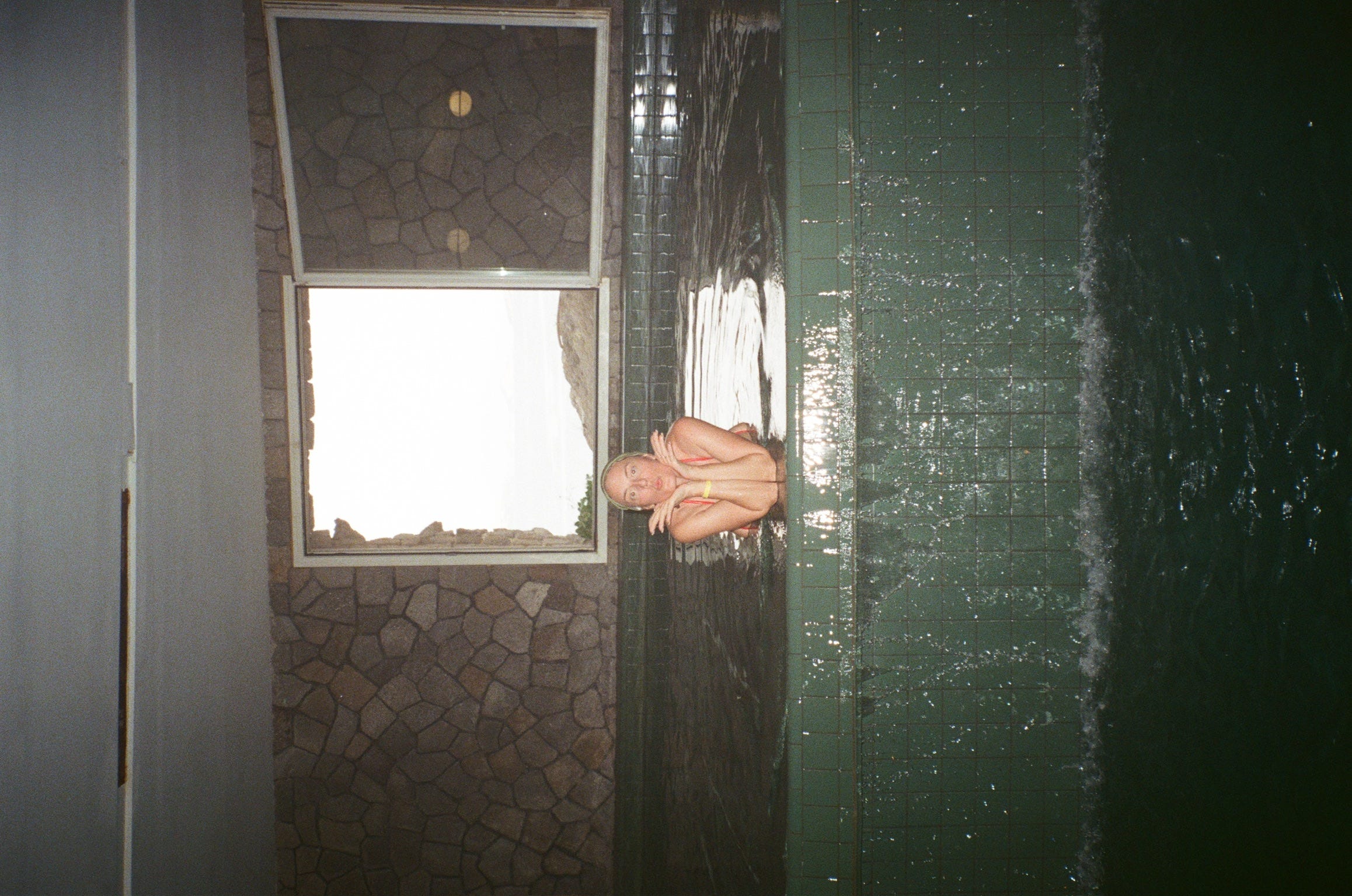
A horizontal shower treatment where multiple overhead jets run over the body, often combined with body scrubs or hydrotherapy treatments. They’re often used for relaxation and sensory therapy, and are found in private spa treatment rooms to pair alongside a scrub/wrap/exfoliation.
Wet Sauna:
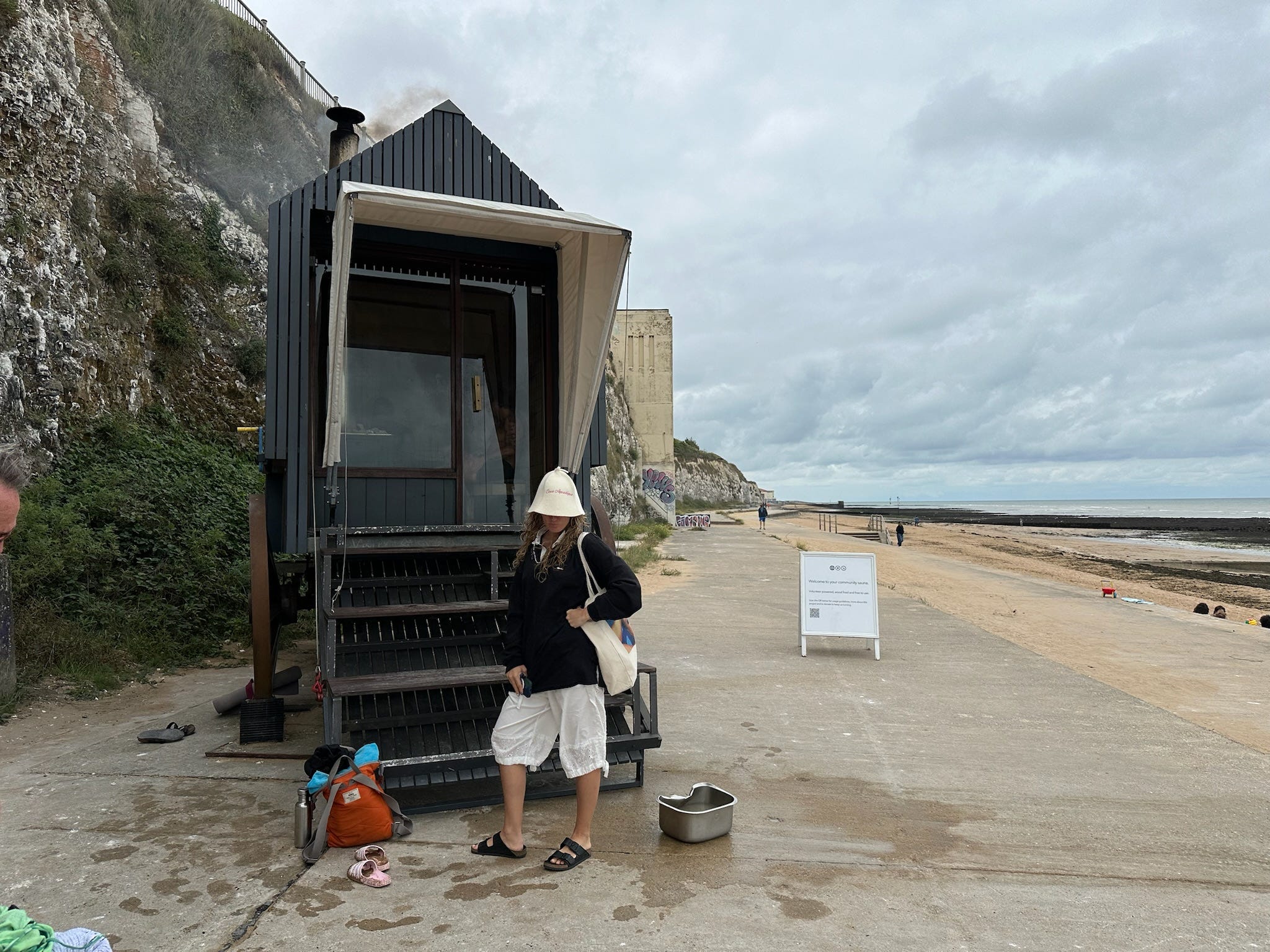
A sauna that combines heat with higher humidity levels (though not as much as a steam room), usually created by regularly pouring water over the sauna stones. Temperatures are generally lower than a dry sauna, but the added moisture makes the heat feel more intense and enveloping. Wet saunas support sweating, circulation, and respiratory comfort, and are common in traditional European sauna cultures.
Wild Swimming:
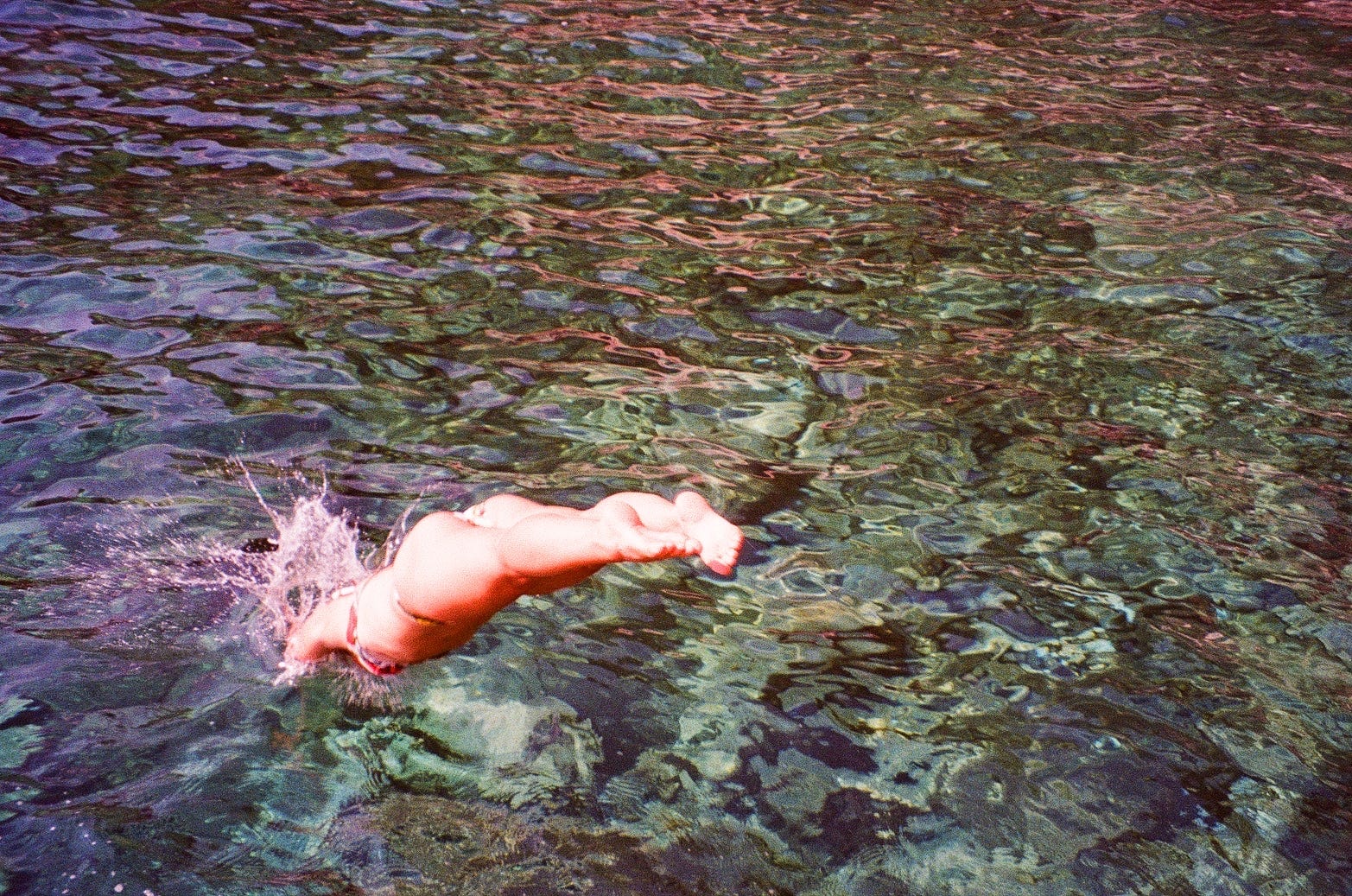
Wild swimming refers to open-water swimming in natural environments such as lakes, rivers, and oceans. The practice combines physical, mental, and sensory benefits coming from cold exposure and circulation boosts to mood elevation and a sense of presence in nature as a form of hydrotherapy. Currently a popular practice in the UK (see: Edinburgh Guide), Nordics, Europe, and Australia/New Zealand, surely to gain momentum in the US again soon.
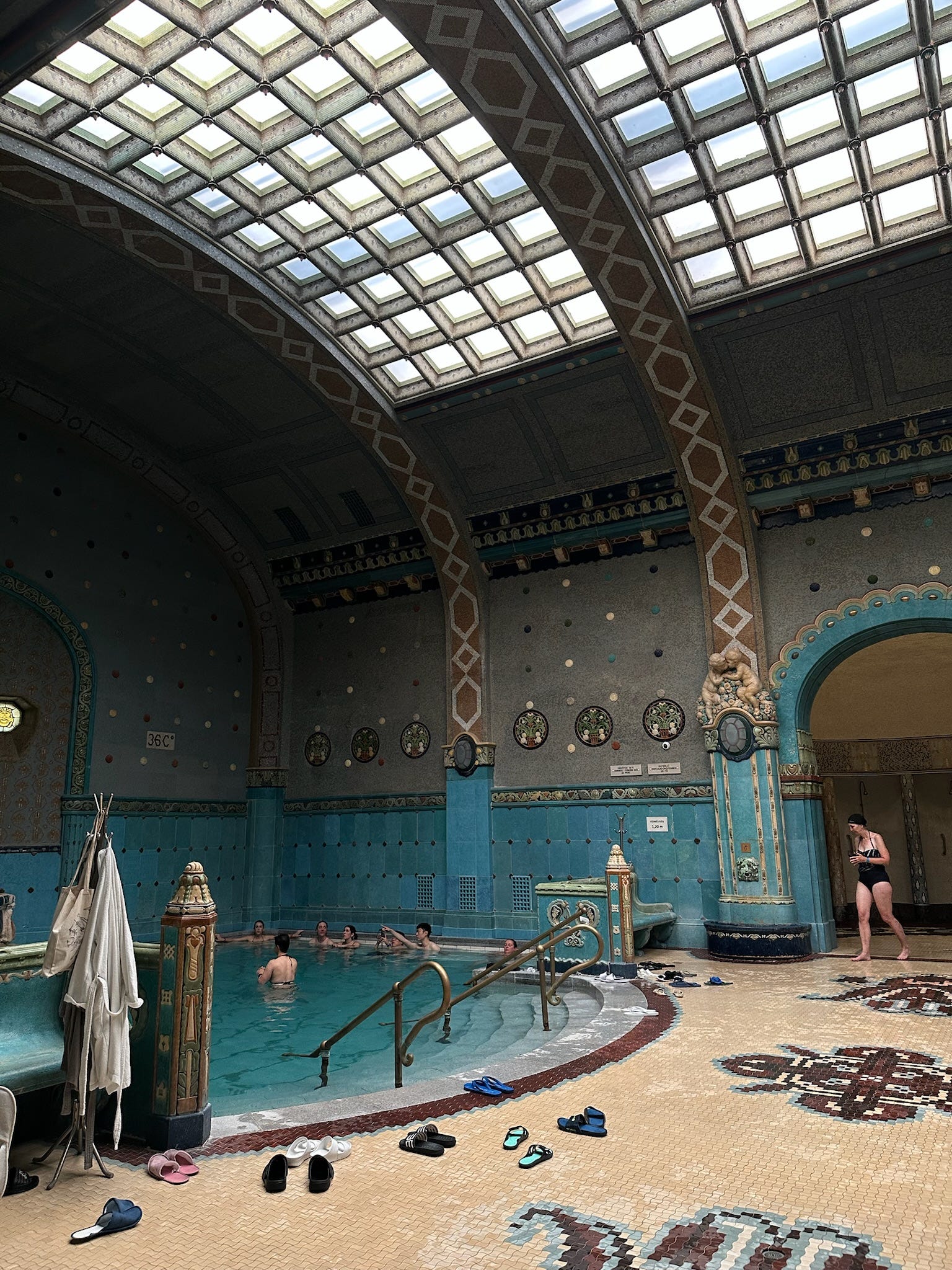
If you’ve made it this far, congrats. I hope this document serves you well in all of your future bathing endeavors, and I’m very grateful for your readership, or at least your scroller-ship. If you’re ready to progress to level 2 bather, you’ll need to read through S.P.A. ’s sweat etiquette guide.

We’ll see you next time on Plant Based and S.P.A. If you have any questions about where to partake in any of these bathing practices, drop us a comment and we can direct you to your local sauna/bath house/spa.
 | A guest post by
|
KATIE!!! I love our brains and that we got to meet with sweat serenity this week. Ultimately bathing guide ever!!!
honestly the spa hat is a gamechanger